How Do Real Estate Agents Get Paid?

How Do Real Estate Agents Get Paid

I still remember the first time I asked a friend who had just gotten her real estate license how much she made on her first home sale. I half-expected a flat salary number, maybe like the paycheck I was used to seeing every two weeks. Instead, she laughed and said, “Oh, it doesn’t work like that. You don’t really ‘get paid’ until the house closes.” That moment kind of blew my mind. I mean, you do all that work showing homes, making phone calls, dealing with inspectors—and you might walk away with nothing if the deal falls through. That’s when I realized the payment structure for real estate agents is a whole different animal compared to traditional jobs.

So, let’s break this down together. I’ll share what I’ve learned from talking to agents, helping friends buy homes, and digging into all the nitty-gritty details about real estate commissions. Because trust me, it’s not just about a “big paycheck” when a house sells—there are a lot of moving parts behind the scenes.

Real Estate Agents Don’t Earn a Salary (Most of the Time)

One of the biggest surprises for people outside the industry is that most real estate agents work strictly on commission. Unlike jobs where you clock in at 9, out at 5, and expect a paycheck at the end of the week, agents don’t see a dime until the property actually sells.

I had a neighbor who was an agent, and I remember seeing her grind for months—multiple open houses every weekend, answering calls at 10 p.m., chasing down paperwork—without seeing any income during that time. When the house finally sold, sure, she got a decent commission. But she joked that if you divided it by all the hours she worked, she was basically making less than minimum wage. That’s the reality a lot of new agents face, and honestly, it’s why so many drop out of the business in their first year.

The Standard Real Estate Commission

Let’s talk numbers. The “traditional” real estate commission is around 5–6% of the home’s selling price. So, if a home sells for $300,000, the total commission pool would be $15,000 to $18,000.

But here’s the catch: that commission doesn’t go directly into one agent’s pocket. It usually gets split between the buyer’s agent and the seller’s agent. In most cases, that’s a 50/50 split. So now each side is looking at $7,500 to $9,000.

Sounds decent, right? Well, it gets even more complicated because agents typically work under a brokerage, and the brokerage takes its cut too.

The Brokerage Split

Here’s something I didn’t know until I chatted with a cousin who’s been in real estate for years: every agent has to “hang their license” under a broker. The broker is like the umbrella company that legally allows agents to practice.

But that broker doesn’t let you work for free. Depending on the agreement, they’ll take anywhere from 20% to 50% of the agent’s commission. Some brokerages have a flat fee per transaction instead of a percentage, but either way, the agent isn’t walking away with the whole pie.

So, going back to our $300,000 home example:

  • Total commission (6%): $18,000
  • Split between buyer’s agent and seller’s agent: $9,000 each
  • Broker takes, say, 30%: agent walks away with $6,300

Not bad, but when you think about months of work, marketing expenses, gas money, and late-night calls—it’s not always as glamorous as it looks on TV shows.

Who Actually Pays the Commission?

This is a common point of confusion. Most people assume the buyer pays their agent directly, but that’s not usually how it works. The seller typically pays the full commission, which is then distributed to both the buyer’s and seller’s agents.

So, when you’re selling a house, you’re technically footing the bill for both sides of the transaction. As a buyer, you don’t usually “see” that cost, but it’s baked into the price of the home.

I once had a friend argue that buyers don’t really pay agent commissions at all. But the truth is—indirectly—they do. If a seller knows they’re going to lose 6% off the top for commissions, they’re probably pricing the home slightly higher to cover that.

Commission Isn’t Guaranteed

Here’s a tough pill a lot of new agents swallow: you can work your tail off and end up with zero if the deal falls apart.

I remember a story a local agent told me about spending six months with a couple—showing them nearly 50 homes, negotiating multiple offers, and finally landing a deal. At the last minute, the buyers pulled out because of financing issues. Boom. All that work—gone. No commission, no paycheck.

That’s why seasoned agents always say: real estate isn’t about quick wins, it’s about building a pipeline. You might not get paid this month, or even next, but if you keep nurturing relationships, those deals eventually close.

Flat Fees and Hourly Models (Rare but Real)

While the commission-based model is the norm, there are exceptions. Some agents work for a flat fee, where the seller pays a set amount regardless of the home’s selling price. Others might offer discount services, charging 1–2% instead of the traditional 6%.

I’ve even seen rare cases where real estate consultants charge an hourly rate, especially for things like market analysis or staging advice. But let’s be real—hourly pay in real estate is pretty uncommon because the big money (and motivation) is in commissions.

Extra Costs Agents Cover Themselves

This part shocked me the most: agents often pay a lot of their own business expenses upfront. Things like:

  • MLS (Multiple Listing Service) access fees
  • Professional photography for listings
  • Marketing and ads
  • Open house snacks (yep, even the cookies!)
  • Gas for driving buyers around town

One agent friend of mine said she easily spends $1,000+ out of pocket to market a single listing. If it doesn’t sell? She eats that cost. That’s why agents are always weighing which listings are “worth” the effort.

Dual Agency and Double Commissions

Here’s where it gets interesting: if one agent represents both the buyer and the seller, that’s called dual agency. In that case, the agent (and their brokerage) can potentially keep the full 5–6% commission.

Sounds amazing, right? Twice the money for one deal. But—it comes with a huge ethical debate. Because how can one agent fairly represent both sides when their interests conflict? Some states even ban dual agency for that reason.

When Commissions Get Negotiated

Here’s a little insider tip: commissions are always negotiable. The 6% number isn’t set in stone. I once watched a seller negotiate their listing agent’s commission down to 4.5% because they were selling a high-value property.

For luxury homes, it’s not uncommon for commissions to dip below 5%. On the flip side, if it’s a tricky property that will take tons of work, some agents push for the full 6% or more.

Why Agents Defend Their Commission

Whenever someone complains about “high commissions,” agents are quick to point out the behind-the-scenes hustle. They’re not just unlocking doors and smiling at open houses. They’re:

  • Researching comps
  • Writing contracts
  • Coordinating inspections and appraisals
  • Negotiating offers (which can be brutal)
  • Handling mountains of paperwork

One slip-up in that process could cost thousands. So, while the commission seems steep, many argue it reflects the risk and responsibility agents carry.

The Emotional Rollercoaster of Getting Paid

Talking with real estate agents, one theme always pops up: the waiting game is brutal. You might get an offer accepted, but the deal doesn’t close for 30–60 days. And during that time, anything can derail it—financing, inspection issues, appraisal problems.

I had a buddy who joked, “Until that check clears, I don’t spend a dime.” And honestly, that’s smart advice. Agents can have a pipeline worth tens of thousands in commissions but still be broke until the deals officially close.

Why Some Agents Move to Broker Status

After years in the game, many agents try to become brokers themselves. Why? Because brokers not only keep their own commissions but also get a slice of what their agents earn.

It’s a way of building a more stable income, though it comes with extra responsibility. You’re now managing compliance, training, and sometimes even office overhead. But for many, it’s worth it because you’re no longer handing over that 20–50% cut to someone else.

Passive Income Through Referrals

Another cool thing I learned: some agents make money even when they’re not actively selling. If they refer a client to another agent—say, out of state—they can get a referral fee, usually around 25% of that agent’s commission.

So, let’s say I know someone moving to Florida and I connect them with an agent there. If that Florida agent closes a deal, I might get a referral check for a few thousand bucks—without ever lifting a finger.

Wrapping It Up

So, how do real estate agents get paid? In short:

  • Mostly through commissions (5–6% of the sale price)
  • Paid by the seller, but split between buyer’s and seller’s agents
  • Further split with their brokerage
  • No paycheck until the deal closes

It’s a high-risk, high-reward career path. The potential for big paydays is real, but so is the possibility of months of work without a single dollar coming in. That’s why successful agents often stress hustle, persistence, and building strong client relationships.

At the end of the day, real estate agents aren’t just “making easy money” as some outsiders think. They’re running a small business—covering costs, taking risks, and betting on their ability to close deals. When you see that commission check, it’s not just payment for one sale—it’s payment for months (sometimes years) of effort, networking, and sheer determination.

Frequently Asked Questions (FAQ) About How Real Estate Agents Get Paid

  1. Do real estate agents get paid if a house doesn’t sell?

No. Real estate agents typically work on commission, which means they only earn money when a property actually closes. If the house doesn’t sell, or the deal falls through at the last minute, the agent doesn’t receive any payment for their time or expenses. This is why many agents say real estate income can be unpredictable.

  1. Who pays the real estate agent’s commission?

In most cases, the home seller pays the full commission, which is then split between the buyer’s agent and the seller’s agent. The buyer doesn’t usually pay the commission directly, but it’s indirectly factored into the purchase price of the home.

  1. What percentage do real estate agents usually make?

The standard real estate commission is around 5–6% of the home’s selling price. This is usually divided between the buyer’s agent and the seller’s agent. Each agent then gives a portion of their share to their brokerage.

  1. Do buyers pay their real estate agent?

Buyers rarely pay their agents directly. Instead, the commission for both the buyer’s and seller’s agents comes out of the seller’s proceeds at closing. However, in some rare cases—like when buying land or using a flat-fee service—a buyer might be responsible for paying part of the commission.

  1. How much do real estate agents actually take home?

While a $300,000 home sale with a 6% commission may generate $18,000, an individual agent usually sees only a fraction of that. After splitting with the other agent and their brokerage, they might take home closer to $5,000–$7,000. Expenses like marketing, photography, and gas reduce that amount further.

  1. Can you negotiate a real estate agent’s commission?

Yes. Real estate commissions are always negotiable. Some agents lower their percentage for luxury homes, repeat clients, or if they’re offering limited services. That said, experienced agents may be firm on their rates because of the work and costs involved in marketing a home.

  1. Do real estate agents get paid weekly or monthly?

Real estate agents do not receive regular paychecks like salaried employees. Instead, they are paid in lump sums at the time of closing. Depending on how many deals they close in a given month, their income can vary dramatically.

  1. What happens if two agents work together on the same deal?

In most transactions, there is a buyer’s agent and a seller’s agent, and the commission is split between them. However, if one agent represents both the buyer and the seller (dual agency), that agent may keep the full commission—though this practice is restricted or banned in some states.

  1. Are there alternatives to commission-based pay for real estate agents?

Yes, although commission is the most common, some agents work under flat-fee arrangements or even offer hourly consulting. These models are less common but can appeal to sellers who want to save on commission costs.

  1. Do real estate agents get paid before closing?

No. Real estate agents only receive payment after the deal is finalized at closing. Even if an offer is accepted, agents don’t get paid until all conditions—such as financing, inspections, and appraisals—are satisfied and the sale officially closes.

Fairy House: A Journey into the Magical World of Miniature Dwellings

Fairy House

Fairy houses are delightful, whimsical creations that bring a touch of magic into our everyday lives. Whether nestled in a garden or perched on a windowsill, these tiny abodes invite fairies—and our imaginations—to come and stay. Let’s embark on a journey to explore the enchanting world of fairy houses, from their origins to how you can create one yourself.

What is a Fairy House?

At its core, a fairy house is a small, decorative structure meant to serve as a home for fairies, mythical creatures that have been a part of folklore for centuries. These miniature houses are often crafted from natural materials like twigs, leaves, and stones, but they can also include more elaborate designs with painted details, tiny furniture, and intricate landscaping.

The Magical Appeal of Fairy Houses

Why Fairy Houses Captivate Our Imagination

Fairy houses have a unique way of sparking creativity and wonder. They appeal to our innate desire for magic and fantasy, allowing us to create tiny worlds where the ordinary becomes extraordinary. For children, fairy houses can be a gateway to imaginative play, while for adults, they offer a creative outlet and a whimsical escape from the stresses of daily life.

The Cultural Significance of Fairy Houses

Fairy houses are more than just charming decorations; they carry cultural significance in many parts of the world. In Irish folklore, for example, fairies are believed to inhabit special places in nature, and offering them a home is thought to bring good luck. Similar traditions can be found in other cultures, where fairy houses symbolize a connection to the mystical and the natural world.

How to Build Your Own Fairy House

Creating a fairy house is a fun and rewarding project that can be enjoyed by people of all ages. Whether you’re a seasoned crafter or a beginner, the process of building a fairy house is an opportunity to let your creativity run wild.

Choosing the Perfect Location

The first step in building a fairy house is choosing the right location. You’ll want to pick a spot that feels magical—somewhere that a fairy might actually want to live.

Finding a Spot in Your Garden

If you have a garden, it’s the ideal place to build a fairy house. Look for a quiet, secluded area under a tree or near a cluster of flowers. The natural surroundings will add to the charm and authenticity of your creation.

Indoor Locations for Fairy Houses

Don’t have a garden? No problem! Fairy houses can also be built indoors. A windowsill, bookshelf, or even a corner of a room can be transformed into a tiny fairy habitat. Indoor fairy houses are perfect for those who want to enjoy the magic year-round, regardless of the weather.

Gathering Materials

The materials you choose for your fairy house can greatly influence its look and feel. The best part? You can use just about anything you have on hand or find in nature.

Natural vs. Artificial Materials

For a truly authentic fairy house, natural materials like twigs, leaves, and stones are ideal. They blend seamlessly with the environment and create a home that looks as though it’s always been there. However, don’t shy away from using artificial materials if that’s what you have available. Items like craft foam, paint, and hot glue can help you achieve more detailed designs.

Sustainable and Eco-friendly Options

If you’re environmentally conscious, consider using sustainable and eco-friendly materials for your fairy house. Recycled items like old wooden boxes, broken pottery, or scrap fabric can be repurposed into charming fairy dwellings. This not only reduces waste but also adds a unique character to your project.

Designing Your Fairy House

When it comes to designing a fairy house, the sky’s the limit. Whether you draw inspiration from nature or invent your own whimsical style, the key is to let your imagination guide you.

Inspiration from Nature

Nature is a rich source of inspiration for fairy houses. Look at the shapes and textures of trees, rocks, and plants to inform your design. A hollowed-out tree stump can become a cozy fairy cottage, while a cluster of mushrooms might inspire a more fantastical structure.

Creative Themes and Styles

Your fairy house can reflect any theme or style that appeals to you. Here are a few ideas to get you started:

Rustic Woodland

A rustic woodland fairy house might be made from bark, twigs, and moss, creating a natural, earthy feel. Add tiny pinecones, acorns, and pebbles to complete the look.

Enchanted Castle

For a more elaborate creation, consider building an enchanted castle. Use stones or small bricks to form walls, and add towers with pointy roofs. Paint the castle in shades of gray and blue to give it a mystical appearance.

Whimsical Cottage

A whimsical cottage can be colorful and quirky, with bright painted doors, windows, and a thatched roof made from straw or dried grass. This style is perfect for those who love a playful, imaginative aesthetic.

Step-by-Step Guide to Building a Fairy House

Now that you’ve got a plan in mind, it’s time to start building!

Planning the Structure

Begin by sketching out your design. Decide on the size and shape of your fairy house, and think about how it will be put together. Will it have multiple rooms? A garden? A path leading up to the door? Planning these details in advance will make the building process smoother.

Assembling the House

Start by creating the base of your house. This might be a small wooden platform or a piece of cardboard. Then, begin attaching your materials, starting with the walls and working your way up to the roof. Use glue or string to secure everything in place.

Adding Finishing Touches

Once the basic structure is complete, it’s time to add the finishing touches. Paint the exterior, add tiny windows and doors, and place some miniature furniture inside. Don’t forget to create a little pathway leading to the house—perhaps with pebbles or tiny shells.

Decorating and Personalizing Your Fairy House

Decorating your fairy house is where the magic really comes to life. This is your chance to add personal touches and make the house truly your own.

Incorporating Fairy Accessories

No fairy house is complete without a few special accessories. These tiny details make the house feel lived-in and welcoming.

Furniture and Miniature Items

You can create or purchase miniature furniture like beds, chairs, and tables for your fairy house. Small items like books, dishes, and toys add a homey feel and make the house look more realistic.

Lighting and Ambiance

Consider adding some lighting to your fairy house. Tiny LED lights or glow-in-the-dark paint can create a magical ambiance, especially at night. A few strategically placed candles or lanterns can also enhance the cozy atmosphere.

Adding Plants and Natural Elements

Bringing in natural elements like plants and flowers can make your fairy house blend seamlessly with its surroundings.

Creating a Fairy Garden

A fairy garden can be an enchanting addition to your fairy house. Plant small flowers, herbs, or succulents around the house to create a lush, green environment. You can also add a small water feature, like a miniature pond or fountain.

Using Moss, Pebbles, and Flowers

Moss, pebbles, and flowers are perfect for decorating the exterior of your fairy house. Use moss to create a soft, green roof, or line a path with pebbles. Flowers add color and life to the scene, making it even more inviting.

Seasonal Decorations

Change up your fairy house’s look throughout the year by adding seasonal decorations.

Summer Blooms and Autumn Leaves

In summer, decorate your fairy house with vibrant flowers and lush greenery. When autumn arrives, swap out the blooms for colorful leaves, acorns, and tiny pumpkins.

Winter Wonderland and Spring Awakening

During the winter, transform your fairy house into a snowy wonderland with faux snow, tiny snowmen, and icicle decorations. Come spring, brighten things up with pastel flowers, butterflies, and fresh greenery.

The Magic of Fairy House Communities

Fairy houses are not just a solitary hobby; they can also connect you with a larger community of enthusiasts.

Joining Fairy House Events and Competitions

Many communities hold fairy house-building events and competitions. Participating in these events is a great way to showcase your creativity, learn new techniques, and meet fellow fairy house lovers.

Connecting with Fellow Enthusiasts

Joining online forums, social media groups, or local clubs dedicated to fairy houses can provide inspiration and support. Sharing your creations and seeing others’ work can spark new ideas and keep you motivated.

Sharing Your Fairy House Creations Online

Don’t forget to share your fairy house creations online! Posting photos on social media or creating a blog about your fairy house journey can inspire others and help you connect with a global community of fairy house builders.

Conclusion

Creating a fairy house is a delightful and rewarding experience that encourages imagination and creativity. Whether you’re building a simple structure from twigs or crafting an elaborate miniature castle, the process is as magical as the finished product. So gather your materials, find a perfect spot, and let your creativity take flight as you build a home fit for a fairy.

FAQs About Fairy Houses

What are the Best Materials for a Fairy House?

The best materials are those that match the look you’re going for. Natural materials like wood, stones, and moss create a rustic, authentic feel, while recycled items can add a unique, eco-friendly touch.

Can I Build a Fairy House Indoors?

Absolutely! Indoor fairy houses can be just as magical as outdoor ones. Place them on a windowsill, shelf, or any cozy corner of your home.

How Do I Maintain My Fairy House?

Regular maintenance includes checking for wear and tear, replacing any damaged parts, and refreshing the decorations as needed. If your fairy house is outdoors, you might need to protect it from the elements.

Are Fairy Houses Suitable for Children?

Yes, building and decorating fairy houses is a wonderful activity for children. It encourages creativity, fine motor skills, and a love for nature.

Can I Make a Fairy House as a Gift?

Fairy houses make fantastic gifts! They are unique, personal, and can be customized to suit the recipient’s tastes.

The Timeless Charm of a Cottage Garden

Introduction to Cottage Gardens

What Is a Cottage Garden?

Imagine a garden bursting with color, teeming with life, and exuding a sense of unpretentious beauty—this is the essence of a cottage garden. A cottage garden is a traditional style of garden that is informal, densely planted, and full of charm. It features a mix of flowers, herbs, and vegetables, often planted in a seemingly random but carefully curated arrangement. Unlike formal gardens, which follow strict rules and patterns, cottage gardens embrace a more relaxed and natural aesthetic.

Historical Background of Cottage Gardens

The roots of cottage gardening can be traced back to medieval England, where villagers grew a mix of edible and ornamental plants around their homes. These gardens were practical, providing food, medicine, and flowers for the home. Over time, the cottage garden evolved, incorporating more decorative elements while still maintaining its functional core. Today, cottage gardens are celebrated for their timeless beauty and are a favorite among gardeners who appreciate their blend of practicality and aesthetics.

Key Elements of a Cottage Garden

Flowers and Plants

The heart of any cottage garden is its plants. A diverse array of flowers, herbs, and vegetables creates the signature look of a cottage garden.

Perennials

Perennials are the backbone of a cottage garden. These are plants that return year after year, providing structure and continuity to the garden. Common perennials in cottage gardens include roses, delphiniums, peonies, and lavender. These plants offer both beauty and longevity, ensuring that your garden remains vibrant for many seasons.

Annuals

Annuals, on the other hand, are plants that complete their life cycle in a single year. They add bursts of color and can be used to fill gaps between perennials. Popular annuals for cottage gardens include marigolds, cosmos, and zinnias. By carefully selecting a mix of perennials and annuals, you can create a garden that blooms continuously from spring through fall.

Design Principles

While cottage gardens may appear to be wild and untamed, they actually follow specific design principles that contribute to their charm.

Informality

The key to a cottage garden is its informal design. Unlike formal gardens, which are characterized by symmetry and precision, cottage gardens embrace a more relaxed approach. Plants are allowed to spill over pathways, and borders are often irregular, creating a sense of natural abundance.

Dense Planting

Cottage gardens are known for their dense planting style. By planting closely together, gardeners can create a lush, full garden that minimizes weeds and reduces the need for mulch. This approach not only saves time but also contributes to the garden’s informal, overflowing aesthetic.

Mixed Borders

In a cottage garden, different types of plants are often mixed together in the same bed. This can include a combination of flowers, herbs, and vegetables, all growing harmoniously. Mixed borders add interest and variety, ensuring that the garden is always changing and evolving.

Additional Features

Beyond plants, other elements play a crucial role in defining the look and feel of a cottage garden.

Garden Structures

Structures like arbors, trellises, and pergolas are often incorporated into cottage gardens. These features provide support for climbing plants like roses and clematis, adding vertical interest to the garden. They also create focal points that draw the eye and add depth to the space.

Pathways and Edging

Winding pathways are a hallmark of cottage gardens. These paths are usually made from natural materials like gravel, brick, or stepping stones, adding to the garden’s rustic charm. Edging, whether it’s made of stone, wood, or plants, helps to define the borders of the garden and keeps the overall design cohesive.

Containers and Pots

Containers and pots can be used to add height and variety to a cottage garden. They’re perfect for growing plants that may not thrive in the ground or for adding seasonal interest to the garden. Terra cotta pots, old wooden crates, and even repurposed items like metal buckets can all find a place in a cottage garden.

Planning Your Own Cottage Garden

Assessing Your Space

Before diving into planting, it’s important to assess your available space. Cottage gardens can be adapted to suit any size, from large backyards to small urban plots. Consider the amount of sunlight your garden receives, as this will influence the types of plants you can grow.

Choosing the Right Plants

The plants you choose will largely determine the success of your cottage garden. It’s important to select plants that are well-suited to your climate and soil type.

Climate Considerations

Different plants thrive in different climates. For example, if you live in a region with hot summers, you’ll want to choose drought-tolerant plants like lavender and rosemary. Conversely, if you’re in a cooler climate, plants like foxgloves and hellebores may be more appropriate.

Soil and Sunlight Requirements

Soil quality and sunlight exposure are critical factors in plant selection. Most cottage garden plants prefer well-drained soil and full sun, but there are exceptions. Be sure to test your soil and observe how the sunlight moves across your garden throughout the day before making your final plant choices.

Creating a Layout

A well-thought-out layout is essential for a successful cottage garden.

Designing Pathways

Pathways are more than just a way to move through the garden—they’re a design element in their own right. Consider using curves and winding paths to create a sense of mystery and discovery in your garden. Natural materials like stone or gravel will blend seamlessly with the cottage garden aesthetic.

Integrating Garden Structures

Incorporating garden structures like trellises, arbors, or even a small garden shed can add character and provide support for climbing plants. These structures also serve as focal points, drawing the eye and adding visual interest.

Seasonal Care for a Cottage Garden

Spring Tasks

Spring is a busy time in the cottage garden. This is the season for planting new perennials, sowing seeds, and dividing overgrown plants. Regular weeding and mulching are also important tasks to keep the garden looking its best.

Summer Care

During the summer, your cottage garden will be in full bloom. Deadheading spent flowers will encourage more blooms and keep the garden looking tidy. Watering is crucial, especially during dry spells, but be careful not to overwater, as this can lead to root rot.

Fall Maintenance

In the fall, it’s time to prepare the garden for winter. This includes cutting back perennials, removing annuals, and adding a layer of mulch to protect the soil. Fall is also a good time to plant spring bulbs, ensuring that your garden will burst into color as soon as the weather warms up.

Winter Preparation

Winter is a time of rest for the cottage garden. Protect tender plants with frost covers or by moving them indoors. Pruning can also be done in late winter to shape shrubs and prepare them for the growing season ahead.

Benefits of a Cottage Garden

Aesthetic Appeal

One of the primary reasons people choose to create a cottage garden is for its aesthetic appeal. The mix of colors, textures, and forms creates a visually stunning environment that can be enjoyed year-round.

Ecological Benefits

Cottage gardens aren’t just beautiful—they’re also good for the environment.

Attracting Pollinators

The diverse mix of plants in a cottage garden is ideal for attracting pollinators like bees, butterflies, and birds. These creatures play a crucial role in maintaining the health of your garden and the surrounding ecosystem.

Biodiversity

By including a variety of plants, you’ll encourage biodiversity in your garden. This not only helps to create a more resilient garden but also supports local wildlife.

Low Maintenance

Despite their lush appearance, cottage gardens can be surprisingly low-maintenance. The dense planting style helps to suppress weeds, and many of the plants used in cottage gardens are hardy and require minimal care once established.

Common Mistakes to Avoid in Cottage Gardening

Overcrowding Plants

While dense planting is a key feature of cottage gardens, it’s important not to overdo it. Overcrowding can lead to poor air circulation, which can result in fungal diseases and other issues. Be sure to give each plant enough space to grow and thrive.

Ignoring Soil Health

Healthy soil is the foundation of any successful garden. Neglecting soil health can lead to weak, unhealthy plants. Regularly amend your soil with organic matter and test it periodically to ensure it has the right pH and nutrient levels.

Neglecting Garden Structures

Garden structures like arbors, trellises, and fences are not just decorative—they’re functional elements that need to be maintained. Neglecting these structures can detract from the overall look of your garden and lead to problems like collapsing trellises or overgrown pathways.

Cottage Garden Inspiration

Famous Cottage Gardens Around the World

There are many famous cottage gardens that can serve as inspiration for your own. Gardens like Sissinghurst in England or the Monet Garden in Giverny, France, showcase the timeless beauty and charm of this gardening style.

Personalizing Your Space

Your cottage garden should reflect your personal taste and style. Whether you prefer a traditional English garden or a more eclectic mix of plants and features, there are endless ways to make your garden uniquely yours.

Conclusion

The Enduring Appeal of Cottage Gardens

The cottage garden has stood the test of time for a reason. Its blend of beauty, functionality, and low-maintenance appeal makes it a popular choice for gardeners of all skill levels. Whether you’re starting from scratch or looking to enhance an existing garden, embracing the cottage garden style is sure to bring joy and satisfaction for years to come.

FAQs

How do I start a cottage garden from scratch?

Starting a cottage garden involves selecting a mix of perennials and annuals, designing an informal layout, and incorporating garden structures. Begin by assessing your space, choosing the right plants for your climate, and creating a plan that includes pathways and features like trellises or arbors.

What are the best plants for a cottage garden?

Some of the best plants for a cottage garden include roses, lavender, foxgloves, delphiniums, and daisies. It’s important to choose plants that are well-suited to your local climate and soil conditions.

Can I create a cottage garden in a small space?

Yes, cottage gardens can be adapted to small spaces by focusing on vertical gardening, using containers, and selecting compact plant varieties. Even a small balcony or patio can be transformed into a charming cottage garden.

How do I maintain a cottage garden throughout the year?

Maintaining a cottage garden involves seasonal tasks like planting, pruning, watering, and protecting plants from extreme weather. Regular care will keep your garden looking lush and healthy year-round.

What garden structures work well in a cottage garden?

Arbors, trellises, pergolas, and rustic fences are all popular choices for cottage gardens. These structures add vertical interest and provide support for climbing plants, enhancing the overall aesthetic of the garden.

Transform Your Outdoor Space with Stunning Decor

When it comes to making the most of your living space, don’t forget to look beyond your front door. Outdoor decor can transform even the simplest patio or balcony into an inviting oasis. Whether you have a sprawling backyard or a compact urban terrace, investing in outdoor decor can greatly enhance your home’s curb appeal, boost your mood, and create a personal retreat where you can relax and entertain.

Understanding the Basics of Outdoor Decor

What is Outdoor Decor?

Outdoor decor refers to the furniture, accessories, and design elements that you use to beautify and personalize your outdoor spaces. Just like indoor decor, outdoor decor includes everything from seating and tables to lighting, plants, and decorative accents. The key difference is that outdoor decor is designed to withstand the elements while still looking stylish and inviting.

The Difference Between Indoor and Outdoor Decor

While the basic principles of decor apply both indoors and out, outdoor decor must account for factors like weather resistance and durability. Materials need to be sturdier, and finishes should be able to handle sun, rain, and wind without deteriorating. Additionally, outdoor decor often emphasizes a connection with nature, incorporating natural elements and colors that blend seamlessly with the surroundings.

Planning Your Outdoor Space

Before diving into the world of outdoor decor, it’s important to plan your space. This involves assessing the size, shape, and features of your outdoor area and thinking about how you want to use it.

Assessing Your Outdoor Space

Take a walk around your outdoor area and take note of its dimensions, existing features, and any challenges like uneven ground or lack of shade. Consider how much sunlight the space receives and what views you want to highlight or hide. This will help you make informed decisions about furniture placement, plant selection, and more.

Defining Your Outdoor Style

Just like indoors, your outdoor space should reflect your personal style. Do you prefer a modern, sleek look or a cozy, rustic vibe? Once you’ve identified your style, you can start choosing pieces that align with it.

Popular Outdoor Decor Styles
  • Modern and Minimalist: Clean lines, neutral colors, and functional furniture define this style. Think metal and glass tables, streamlined chairs, and geometric planters.
  • Rustic and Farmhouse: This style embraces natural materials like wood and stone, with cozy textiles like burlap and wool. A wooden picnic table, wicker chairs, and lanterns are perfect additions.
  • Bohemian and Eclectic: If you love vibrant colors, patterns, and a mix of textures, this style is for you. Layer rugs, hang macramé planters, and use colorful cushions and throws to create a relaxed, boho vibe.
Choosing a Color Palette

Your outdoor color palette can be inspired by nature or be a bold contrast to it. If you prefer a natural look, choose greens, browns, and blues that echo the landscape. For a more vibrant space, opt for bold hues like red, orange, or turquoise. Neutral tones like white, gray, and beige can create a serene, timeless atmosphere.

Essential Outdoor Decor Elements

Now that you’ve planned your space and defined your style, it’s time to choose the key elements of your outdoor decor.

Furniture Selection

Your outdoor furniture is the foundation of your decor. It should be comfortable, durable, and suited to your space.

Choosing the Right Outdoor Furniture

When selecting outdoor furniture, consider the materials. Wood offers a classic, natural look but requires regular maintenance to prevent weather damage. Metal is durable and comes in a variety of styles, from ornate wrought iron to sleek aluminum. Synthetic materials like resin wicker are weather-resistant and easy to maintain, making them a popular choice for outdoor furniture.

Comfort is also key. Look for cushions with water-resistant covers, and consider the ergonomics of chairs and lounges. If you plan to entertain, opt for a dining set or sectional that can accommodate guests.

Outdoor Lighting

Lighting plays a crucial role in setting the mood of your outdoor space, especially at night.

Types of Outdoor Lighting
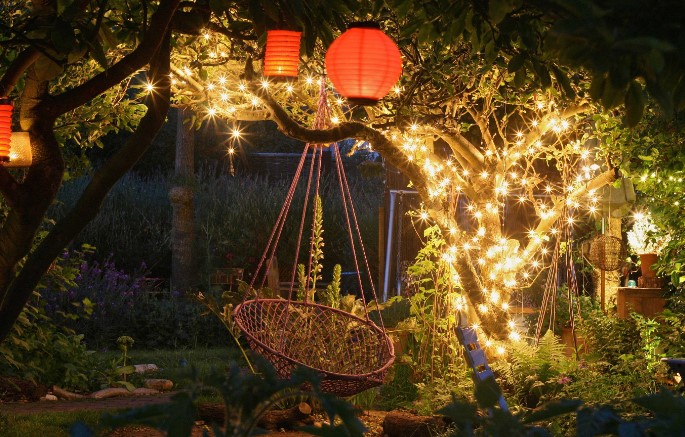
  • String Lights: These versatile lights can be draped across a pergola, strung along a fence, or wrapped around trees to create a magical ambiance.
  • Lanterns and Candles: Lanterns add a rustic charm, while candles provide a soft, flickering glow. Both are perfect for creating a cozy atmosphere.
  • Pathway Lights: These lights not only illuminate your garden paths but also add a decorative element. Solar-powered options are eco-friendly and easy to install.

Greenery and Plants

No outdoor space is complete without some greenery. Plants add life, color, and even privacy to your outdoor areas.

Incorporating Greenery

Consider container gardening if you’re working with a small space or want the flexibility to move plants around. Vertical gardens are another great option for maximizing space, especially in urban environments. When choosing plants, consider your climate and the amount of sunlight your space receives. Drought-tolerant plants are ideal for hot, dry climates, while shade-loving plants thrive in areas with less sun.

Seasonal Decor Ideas

Your outdoor decor can evolve with the seasons, allowing you to refresh your space throughout the year.

Decorating for Spring and Summer

In the warmer months, embrace vibrant colors and lightweight fabrics. Switch out heavy cushions and throws for breezy, weather-resistant textiles. Add pops of color with blooming flowers and bright accessories like outdoor rugs and pillows.

Fall and Winter Decor Ideas

As the weather cools, focus on creating warmth and coziness. Layer blankets on chairs, add outdoor heaters or fire pits, and incorporate seasonal plants like mums and evergreens. Swap out summer decor for earthy tones and textures like wool and leather.

DIY Outdoor Decor Projects

If you’re on a budget or love a good craft project, DIY decor can add a personal touch to your outdoor space.

Simple and Affordable DIY Projects

Create your own planters by repurposing old containers or building them from reclaimed wood. You can also make your own outdoor cushions using waterproof fabric and foam. Painting old furniture is another way to give it a fresh look without spending much.

Repurposing Old Items for Outdoor Use

Think creatively about items you no longer use indoors. An old ladder can be transformed into a plant stand, or a wooden pallet can be turned into a rustic coffee table. These projects not only save money but also add unique character to your outdoor space.

Maintaining Your Outdoor Decor

To keep your outdoor space looking its best, regular maintenance is essential.

Weatherproofing and Protection

Protect your furniture and decor from the elements by using covers, storing items indoors during harsh weather, and applying weatherproof sealants to wood and metal pieces. This will extend the life of your decor and keep it looking new.

Regular Cleaning and Maintenance Tips

Clean your outdoor furniture and accessories regularly to prevent dirt and grime buildup. Use mild soap and water for most materials, and avoid harsh chemicals that could damage surfaces. Inspect items periodically for signs of wear and repair or replace them as needed.

Outdoor Decor on a Budget

Decorating your outdoor space doesn’t have to break the bank. With a little creativity, you can create a beautiful space on a budget.

Where to Find Affordable Decor

Check out thrift stores, garage sales, and online marketplaces for gently used outdoor furniture and accessories. Many big-box stores also offer seasonal sales on outdoor items, so keep an eye out for discounts.

Tips for Saving Money Without Compromising Style

Consider DIY projects, repurposing items, and mixing high-end pieces with budget finds to create a stylish space without overspending. Focus on one area at a time and build your decor collection gradually.

Creating a Cozy Outdoor Ambiance

A cozy outdoor space invites you to relax and unwind. It’s all about creating a warm, welcoming environment.

The Importance of Textures and Layers

Mixing textures and layers adds depth and interest to your decor. Combine soft cushions with rugged outdoor rugs, drape blankets over furniture, and mix different materials like wood, metal, and wicker.

Adding Personal Touches to Your Space

Personalize your outdoor space with items that reflect your personality. Display souvenirs from your travels, add a custom sign, or hang artwork that speaks to you. These touches make your space uniquely yours.

Enhancing Small Outdoor Spaces

Even if you’re working with a small space, there are plenty of ways to make it feel bigger and more functional.

Maximizing Limited Space

Opt for multifunctional furniture like benches with storage or foldable tables that can be tucked away when not in use. Use vertical space for plants, lighting, and decor to keep the floor area open.

Vertical Decor Solutions

Vertical gardens, hanging planters, and wall-mounted shelves are great for small spaces. They allow you to add greenery and decor without taking up valuable floor space.

Outdoor Decor for Different Settings

Different outdoor settings have different needs. Tailor your decor to fit your specific space.

Decor Ideas for Patios, Balconies, and Backyards

  • Patios: Patios offer more space and flexibility. Consider adding a dining set, lounge chairs, and a fire pit.
  • Balconies: For smaller balconies, opt for a bistro set, hanging planters, and string lights to maximize space.
  • Backyards: Backyards offer the most space and potential. Create distinct areas for dining, lounging, and gardening.

Urban vs. Rural Outdoor Spaces

Urban spaces often require creative solutions to maximize space and privacy, while rural settings can embrace more expansive layouts and natural elements.

Sustainable and Eco-Friendly Outdoor Decor

Sustainability is increasingly important in outdoor decor. Opt for eco-friendly materials and practices.

Choosing Sustainable Materials

Look for furniture made from recycled or sustainably sourced materials. Bamboo, teak, and reclaimed wood are great options. Avoid plastic and synthetic materials that aren’t biodegradable.

Eco-Friendly Decor Tips

Consider solar-powered lighting, water-saving irrigation systems, and drought-tolerant plants. These choices not only benefit the environment but also reduce your energy and water bills.

Common Outdoor Decor Mistakes to Avoid

To create a functional and beautiful outdoor space, avoid these common mistakes.

Overcrowding Your Space

Less is often more when it comes to outdoor decor. Avoid overcrowding your space with too much furniture or decor, which can make it feel cramped and cluttered.

Ignoring the Practical Aspects

While aesthetics are important, don’t forget about the practical aspects. Ensure there’s enough seating, shade, and lighting, and that your decor choices are weather-resistant and durable.

Conclusion

Outdoor decor is all about creating a space that feels like an extension of your home. By planning your space, choosing the right elements, and maintaining your decor, you can create an outdoor oasis that you’ll enjoy for years to come. Whether you’re working with a small balcony or a large backyard, there are endless possibilities to explore. So, get inspired, and start decorating your outdoor space today!

FAQs

1. What is the best type of outdoor furniture for all weather conditions?
Teak and metal furniture are highly durable and can withstand various weather conditions. Look for cushions with water-resistant covers to complement them.

2. How can I decorate a small balcony on a budget?
Opt for DIY projects, repurpose indoor items, and shop at thrift stores for affordable decor. Focus on space-saving furniture and vertical decor solutions.

3. What plants are best for outdoor spaces with little sunlight?
Ferns, hostas, and ivy are great options for shady outdoor spaces. They thrive with minimal sunlight and add lush greenery to your decor.

4. How often should I maintain my outdoor decor?
Regular maintenance, such as cleaning furniture and checking for wear, should be done seasonally. Cover or store items during extreme weather to prolong their lifespan.

5. Can I use indoor decor items outside?
Yes, but choose items that can withstand outdoor conditions, or consider weatherproofing them. Some indoor items may require extra protection from the elements.