Covid-19 News: Nurse Shortage Forces Long Island Emergency Room to Close

ImageThe emergency room at Mount Sinai South Nassau in Oceanside, N.Y., will have to handle patients from the Long Beach Emergency Department during the closure.
Credit…Johnny Milano for The New York Times

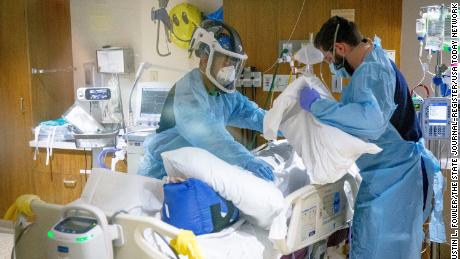
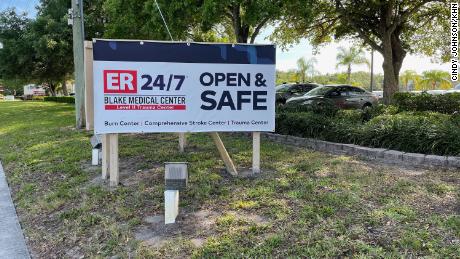
A Long Island emergency room was forced to close its doors on Monday because of a nursing staff shortage, as a New York state rule took effect that bars unvaccinated medical workers from their jobs.

The free-standing Emergency Department at Long Beach, which is part of Mount Sinai South Nassau, said in a statement that patients would be directed to the hospital’s main campus in Oceanside, N.Y., about five miles north. An ambulance will be stationed at the shuttered facility, the statement said.

The hospital said the closure could last weeks or longer. But closing the Long Beach branch will allow the hospital to maintain adequate staffing at the Oceanside facility, the statement said.

“We regret having to take this step, but the safety of our patients is always our No. 1 priority,” said Dr. Adhi Sharma, the president of the medical center. “This closure should not be interpreted as anything beyond what it is — a temporary measure designed to relieve current staffing challenges in our emergency department. Our nurses, physicians and support staff have been on the front lines of the pandemic for more than 21 months. We will continue to be there for our patients.”

New York’s statewide vaccination mandate for health workers does not allow for religious exemptions, which spurred legal challenges. A federal court upheld the policy late last month.

Mount Sinai South Nassau said it had notified the state Health Department on Friday of the need to close the facility, and had submitted a formal closure plan. In a statement on Monday night, the Health Department said it was reviewing the plan and working with Mount Sinai South Nassau to “explore options.”

For now, Mount Sinai South Nassau is recruiting workers who can show proof of vaccination or valid medical exemptions in the hope of resuming full operations in mid-December.

Mount Sinai’s Oceanside emergency room is a designated trauma facility and sees about 70,000 patients a year, according to the medical center. The Long Beach branch, which opened in 2015, handles about 10,000 patients a year, most of whom are treated and discharged without being transferred to the hospital.

Credit…Don Treeger/The Republican, via Associated Press

A Massachusetts state judge on Monday dismissed criminal charges against two former administrators at a state-run facility for veterans, the Soldiers’ Home in Holyoke, where a coronavirus outbreak last year led to at least 76 deaths, reasoning that their actions did not lead to the infections.

The state’s attorney general, Maura Healey, had sought charges of criminal neglect and permitting body injury to an older person against the two men, Bennett Walsh, the former superintendent at the Soldiers’ Home in Holyoke, Mass., and David Clinton, the facility’s former medical director. Ms. Healey cited their decision to combine two understaffed dementia units, crowding together infected and uninfected men.

The criminal charges against the two men, who resigned their positions last year, were believed to be the first in the country brought against nursing home employees, and they had faced years or even decades in prison if convicted.

But Judge Edward J. McDonough Jr., of Hampden County Superior Court, wrote in his dismissal that he believed the five veterans named in the case had been exposed to the virus before the two units were merged, so the administrators could not be held legally responsible.

“There was insufficiently reasonably trustworthy evidence presented to the grand jury that, had these two dementia units not been merged, the medical condition of any of these five veterans would have been materially different,” he wrote.

Ms. Healey is weighing whether to appeal the decision, a spokeswoman said.

“We are very disappointed in today’s ruling, especially on behalf of the innocent victims and families harmed by the defendants’ actions,” said Jillian Fennimore.

Source: State and local health agencies. Daily cases are the number of new cases reported each day. The seven-day average is the average of the most recent seven days of data.

Because of staffing shortages, the facility consolidated the units, which had a total of 42 residents who had different Covid-19 statuses, and residents who were positive or symptomatic were placed six in a room that typically held four veterans. An independent investigation of the deaths quoted nurses who said they knew that the move to combine units would prove deadly to many of their patients.

Relatives of the veterans who died at the facility expressed frustration at the judge’s decision on Monday.

“Absolutely disgusting, our veterans and their families apparently are a disposable commodity,” wrote Susan Perez, whose father, James Miller, died at the home, adding, “Apparently no one is responsible for the deaths of the veterans and trauma to their families.”

Correction: 

An earlier version of this briefing item misstated part of the name of the court where a Massachusetts state judge presides. It is Hampden County Superior Court, not Hampton.

Credit…Doug Mills/The New York Times

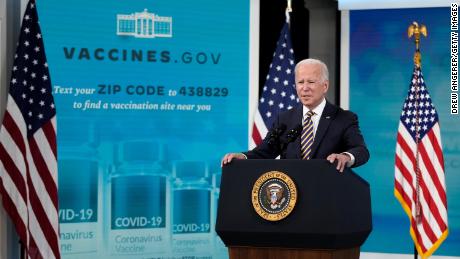
More than 90 percent of federal employees will have had at least one coronavirus vaccine shot by the end of Monday, the deadline set by President Biden when he announced vaccine mandates earlier this fall, according to a senior administration official.

The vast majority of those employees are fully vaccinated, and an additional 5 percent of employees are seeking or already have an exception or an extension, the official said. The news was first reported by Reuters.

This means the Biden administration will have achieved 95 percent compliance with the president’s requirement that federal employees have at least one shot or have an approved or pending exception or extension request by Nov. 22, according to the official, who spoke on the condition of anonymity to preview an announcement that White House officials will make later in the day.

Mr. Biden’s mandate for federal workers, announced in September, was part of an aggressive effort to combat the spread of the Delta variant, which has driven caseloads up to levels last recorded a year ago, before vaccines were widely available. The president also mandated vaccination for health care workers and ordered all companies with more than 100 workers to require vaccination or weekly testing for their employees.

“We’ve been patient,” Mr. Biden said then, in a pointed message to people who refused to be vaccinated. “But our patience is wearing thin. And your refusal has cost all of us.”

More than 3.5 million federal workers, both in the United States and around the world, are covered by Mr. Biden’s mandate. Employees who have not complied, and do not have a pending or approved exception or extension request, will be expected to undergo education and counseling, the official said, followed by “additional enforcement steps.”

On Wednesday morning, the Office of Management and Budget will release data on the percentage of employees at each agency who are in compliance with the requirement.

A personnel change in the White House’s coronavirus team is expected next week. On Monday, Dr. Bechara Choucair, the former Chicago health commissioner whom Mr. Biden brought in to oversee the vaccination effort, will leave the administration, according to Jeff Zients, the White House coronavirus response coordinator.

Dr. Choucair was a senior executive at Kaiser Permanente before joining Mr. Biden’s staff and is “returning to the West Coast after staying longer than originally planned,” Mr. Zients said.

Credit…Nic Antaya for The New York Times

A month ago, new coronavirus cases in the United States were ticking steadily downward and the worst of a miserable summer surge fueled by the Delta variant appeared to be over. But as Americans travel this week to meet far-flung relatives for Thanksgiving dinner, new virus cases are rising once more, especially in the Upper Midwest and Northeast.

Federal medical teams have been dispatched to Minnesota to help at overwhelmed hospitals. Michigan is enduring its worst case surge yet, with daily caseloads doubling since the start of November. Even New England, where vaccination rates are high, is struggling, with Vermont, Maine and New Hampshire trying to contain major outbreaks.

Source: State and local health agencies. Daily cases are the number of new cases reported each day. The seven-day average is the average of the most recent seven days of data.

Nationally, case levels remain well below those seen in early September, when summer infections peaked, and are below those seen last Thanksgiving. But conditions are worsening rapidly, and this will not be the post-pandemic Thanksgiving that Americans had hoped for. More than 90,000 cases are being reported each day, comparable to early August, and more than 30 states are seeing sustained upticks in infections. In the hardest-hit places, hospitalizations are already climbing.

“This thing is no longer just throwing curveballs at us — it’s throwing 210-mile-an-hour curveballs at us,” said Michael Osterholm, an epidemiologist at the University of Minnesota. He said that the virus had repeatedly defied predictions and continues to do so.

The new rise in cases comes at a complicated moment. Last Thanksgiving, before vaccines were available, federal and local officials had firmly urged Americans to forgo holiday gatherings. But in sharp contrast, public health officials, including Dr. Anthony S. Fauci, the nation’s leading infectious-disease expert, have mostly suggested this year that vaccinated people could gather in relative safety.

Credit…Eric Gay/Associated Press

The chief elected official in Dallas County celebrated a victory on Tuesday in his legal dispute over the governor’s ban on mask mandates, after a state appeals court upheld an earlier injunction against the ban.

The ruling by Fifth Court of Appeals in Dallas affirmed an August ruling by a district judge that Gov. Greg Abbott’s executive order banning mask mandates impeded the ability of Judge Clay Jenkins, the top elected official in Dallas County, to protect his constituents from Covid.

Partisan tensions are at a fever pitch over whether students, teachers and school employees should be required to wear masks. Some Republicans have cast mask rules as an infringement on parental rights, while many Democrats hold that they are a matter of public health.

Mr. Abbott has faced a series of legal challenges since he signed an executive order in July barring mandates for both masks and vaccinations.

Officials in Dallas and elsewhere in Texas have defied the governor by requiring people to wear masks in schools and other indoor public settings.

Credit…Massimo Percossi/EPA, via Shutterstock

BRUSSELS — European governments are toughening their measures against Covid in the face of soaring infection rates and popular resistance, with violent protests over the weekend in numerous countries.

Austria went into lockdown on Monday to try to break the fourth wave of Covid spreading across Europe, while the German health minister, Jens Spahn, warned that by the end of this winter, “just about everyone in Germany will probably be either vaccinated, recovered or dead.”

Tens of thousands of people protested official crackdowns and vaccine requirements in Austria, the Netherlands, Belgium, Denmark, Italy, Switzerland and Croatia, with scattered violence and police use of tear gas and water cannons. Some protesters were organized by far-right parties, but many were simply fed up with almost two years of intermittent state controls over their lives in the name of public health.

Europe has accounted for more than half the world’s reported Covid deaths this month, according to the World Health Organization. On Monday, the Centers for Disease Control and Prevention advised Americans not to travel to Germany or Denmark because of the rising case rates there.

Chancellor Angela Merkel of Germany told her Christian Democratic Party on Monday that the latest surge was worse than anything Germany had suffered so far. And neighboring Austria began its fourth lockdown, one of the few in Western Europe since vaccines became widely available.

Most stores, restaurants, sporting venues and cultural institutions shut down, leaving the streets cold and quiet in the weeks before Christmas. The lockdown, which allows people to leave home only to go to work or to procure groceries or medicines, will last at least 10 days and as many as 20.

Austria has also announced that vaccination will be compulsory as of Feb. 1 — the first Western country to take that step, and one of only a handful around the world. On Saturday, some 40,000 Austrians marched in Vienna to protest the new measures.

In France, President Emmanuel Macron has relied more on persuasion. Proof of vaccination or a recent negative test is required to patronize restaurants and cinemas, which has encouraged many reluctant French to get vaccinated without a national mandate. But anti-vaccination groups remain active in France, as well.

Global roundup

Credit…Olivier Hoslet/EPA, via Shutterstock

France’s prime minister, Jean Castex, said on Tuesday that he had only “mild symptoms” after testing positive for the coronavirus, as the French news media criticized him for apparent past failures to follow the government’s social-distancing recommendations.

“I am well and am continuing to carry out my duties in isolation, strictly following the health protocol,” Mr. Castex said on Twitter.

On that same social network, however, many users shared videos of him appearing to flout distancing recommendations, including one from last week that showed a maskless Mr. Castex shaking hands with elected officials indoors.

The government itself has urged the French in recent weeks not to drop their guard and to continue observing distancing practices as much as possible, even when vaccinated.

Élisabeth Borne, the labor minister, recently warned companies not to become complacent about health guidelines. “Maybe we have lapsed a bit, barrier measures are being less respected,” she told the news channel BFMTV this month.

On Monday, Mr. Castex had just returned from an official trip to Belgium, where he met with Prime Minister Alexander De Croo, when he learned that his 11-year-old daughter had tested positive, his office said in a statement. He immediately took a test, which turned out positive.

President Emmanuel Macron of France chose Mr. Castex, 56, as prime minister in July 2020. Mr. Castex had previously been the top official in charge of lifting the strict nationwide lockdown France imposed during the first wave of the coronavirus pandemic.

Mr. Macron himself was sick with Covid-19 late last year.

Source: Center for Systems Science and Engineering (CSSE) at Johns Hopkins University. The daily average is calculated with data that was reported in the last seven days.

The number of daily infections has shot up in France, which is one of several European countries experiencing a new wave of cases.

On Monday evening, Mr. Castex met virtually with elected officials from Guadeloupe, a Caribbean archipelago governed by France that has been rocked by violent unrest over the past few days because of protests against French vaccination mandates.

In a televised statement after the meeting, Mr. Castex condemned the violence and said the government would try to “convince and assist, individually, humanely,” health workers who are reluctant to get vaccinated.

“Vaccination is necessary for protection, most notably against serious forms of the illness,” said Mr. Castex, who is fully vaccinated. “There is no other way.”

In other news from around the world:

  • Officials in South Korea said on Tuesday that they had shut down a religious facility in the city of Cheonan after 210 of its 427 residents tested positive for the coronavirus this week, an outbreak that comes as the country’s cases surge to record highs. At least 191 of those infected in Cheonan were unvaccinated, a health official said. Officials did not release the name of the religious organization, citing disease control laws meant to protect privacy.

  • Germany’s military is set to require service members to be vaccinated after a committee of soldier-representatives and defense ministry staff approved such a step on Monday. The move still requires formal approval. German soldiers abroad have already been required to be vaccinated since the spring. On Tuesday, the defense ministry announced that it would send 6,000 soldiers to help districts dealing with a spike in coronavirus cases.

  • A court in Spain rejected a plan by the government of the Basque region to make it compulsory to show a vaccination passport to enter restaurants, concert halls and other public spaces. The judges ruled on Monday that the latest Covid numbers did not justify the blanket obligation. The regional government said it found the ruling incomprehensible, but that it would not appeal. At least three other regions of Spain had been preparing similar measures.

Video

Video player loading
The protests in France’s Caribbean territory, fueled by longstanding social and economic frustrations, grew increasingly violent as protesters burned cars and looted businesses.CreditCredit…Ricardo Arduengo/Reuters

Violent protests over vaccine mandates have rocked France’s overseas department of Guadeloupe in the Caribbean over the past week, fueled by longstanding social and economic frustrations over inequality with the mainland and simmering anger at being overlooked by the French government.

Guadeloupe, an archipelago of islands, is one of several French overseas territories that have been hit hard by the pandemic over the past few months and where France’s vaccination campaign has been met with the most suspicion and resistance.

A mix of old grievances and new distrust over Covid-19 rules has made the unrest particularly volatile.

Demonstrations that started peacefully with road blocks and pickets in front of the main hospital in Pointe-à-Pitre, Guadeloupe’s largest city, grew increasingly violent over the weekend, as protesters burned cars, looted businesses and clashed with riot police officers, who responded with tear gas.

More than 30 people accused of violence or looting have been arrested, and the local authorities imposed a nighttime curfew. The central government also announced over the weekend that it was sending over 200 police reinforcements.

On Monday, the remains of charred cars littered roads and schools remained closed as President Emmanuel Macron of France appealed for calm and order.

“Our priority is to continue convincing that vaccination is the best protection,” Mr. Macron told reporters during a visit to Amiens, his hometown in northern France. “And to yield nothing to lies, disinformation and the manipulation by some of this situation.”

“There is a very explosive situation, tied to a very local context, to historical tensions that we know of,” Mr. Macron acknowledged, as he accused some of the government’s critics of “using this context and these anxieties” to aggravate the situation.

Over 40 percent of the adult population in Guadeloupe is fully vaccinated, but that figure is nearly 90 percent for all of France including overseas regions, according to official statistics.

The unrest started last week with a strike by local unions that are opposed to France’s vaccine mandate for health workers. Those unions say it was imposed by the central government with little consultation, and are particularly infuriated that unvaccinated health professionals are suspended without pay.

“That is an unheard level of violence against them and their families,” Jean-Marie Nomertin, the secretary general of the Confédération Générale du Travail de la Guadeloupe, one of the protesting unions, said in a statement last week.

Protesters have also rejected France’s health pass, which is needed to gain access to restaurants, museums and other public places and can only be obtained through full vaccination, proof of Covid recovery, or a recent negative test — which must now be paid for out of pocket for those who are not vaccinated and do not have a prescription.

As in other overseas departments like Réunion or French Guiana that are a legacy of France’s colonial empire, Guadeloupe has long felt overlooked by policymakers in Paris, with decades-old anger over stagnant unemployment, high living costs and dysfunctional public utilities that have fueled protests in the past.

Suspicion of public health policies is especially high in the French Caribbean, where the government authorized the use of a highly toxic pesticide called chlordecone on banana plantations for decades, despite repeated health warnings.

“People are afraid, they have no trust,” Harry Durimel, the mayor of Pointe-à-Pitre, told Franceinfo on Monday, adding that local residents were “ready for a confrontation” over vaccine rules if they felt they were being forced “to inject a product in their body.”

On the nearby island of Martinique, unions on Monday called for a general strike over similar concerns.

Credit…Brian Inganga/Associated Press

NAIROBI, Kenya — Kenya will require people to show proof of coronavirus vaccination to enter many businesses, restaurants and government offices starting next month, a major policy shift that has prompted outrage in a country where less than 5 percent of the total population is fully vaccinated.

Mutahi Kagwe, the cabinet secretary for health, said on Sunday that he was concerned about a slowdown in vaccinations and hoped the new rules would persuade more people to get their shots. With schools closing and the country heading into the festive season, he said there were concerns that people would become complacent about public health measures, including social distancing and wearing masks.

The new measure was swiftly criticized by lawyers, activists and the public, who cautioned against a stringent vaccine mandate just weeks after the lifting of a longstanding nationwide night curfew that dampened economic activity.

“It’s clearly unconstitutional,” Waikwa Wanyoike, a prominent constitutional lawyer, said of the mandate, adding that using “threats” to get more people to get inoculated will only create more apprehension about vaccines. “The requirement may be right in terms of asking as many people to be vaccinated but the approach is wrong,” he said in a phone interview.

Vaccination campaigns in Kenya have been hampered by a lack of funding. There have been few awareness campaigns. Nor are there widespread vaccination sites. The authorities at times have scrambled to access or purchase cold storage facilities needed to store the shots.

The new rules will also extend to those planning to visit hospitals, prisons, eateries, bars, national parks and any business serving 50 or more people daily. Drivers of public transportation, along with pilots and air hostesses, will be expected to always carry proof of vaccination. In addition, visitors from Europe will be required to be fully vaccinated to enter Kenya.

Source: Center for Systems Science and Engineering (CSSE) at Johns Hopkins University. The daily average is calculated with data that was reported in the last seven days.

The new rules are the most expansive introduced in the continent yet, according to Dr. Githinji Gitahi, who serves on the governing board of the Africa Centres for Disease Control and Prevention. Zimbabwe has mandated that civil servants get shots and requires congregants at places of worship to produce proof of vaccination. Uganda requires all teachers and health care workers to be vaccinated while Namibia has flouted the idea.

Kenya has recorded over 254,700 cases and 5,328 deaths from the coronavirus. While average case rates have dropped in recent weeks, the lag in vaccinations and the spread of the more contagious Delta variant had overwhelmed the country’s health care system. Kenya hopes to vaccinate at least 30 million people before the end of 2022, but like many African countries, it has also struggled to gain access to vaccines.

The new restrictions were met with skepticism, with many lamenting its impracticality. Some pointed to the low vaccination rates among the adult population, with just 8.8 percent of them fully vaccinated. Others said the mandate could open the door to more corruption, bribery and the proliferation of fake vaccine certificates.

Critics said the government should not only make sure that vaccines are available to all but also should come up with better strategies to address misinformation and resistance to getting vaccinated.

Irungu Houghton, the executive director of Amnesty International Kenya, said the new mandate, in its current format, risked depriving people of their right to not only work but also access critical services like health and education.

“This proposal risks domesticating the global vaccine apartheid and creating those with rights and those without,” Mr. Houghton said in a statement.

Credit…Emily Elconin for The New York Times

The American Medical Association voted last week to allow only licensed physicians to write requests for patients seeking medical exemptions from vaccine mandates.

But the association does not have the power to enforce what is, in effect, a symbolic action intended to show concern as tens of thousands of people seek exemptions. While some states prohibit alternative practitioners like homeopaths, chiropractors and naturopaths from writing medical exemptions for vaccines, other states allow it.

“Science supports a vaccine mandate,” said Dr. Gerald E. Harmon, the president of the American Medical Association, “and we do not need to offer routes to evade mandates and undermine public health by seeking out practitioners who are not licensed or medically trained.”

The A.M.A.’s stance reflects increasing frustration among doctors with the spread of misinformation about Covid-19 vaccines and the virus. The association says that alternative practitioners are less likely than licensed physicians to recommend vaccines, and that they may even advise people not be vaccinated.

But removing power from alternative practitioners would not stop patients from getting invalid medical exemption requests. Licensed medical doctors are also writing bogus requests, according to doctors who are being asked to rule on them.

Dr. Peter Chin-Hong, an infectious disease expert at the University of California, San Francisco, sees the problem with invalid exemptions firsthand. Although California prohibits alternative practitioners from writing vaccine exemptions, patients are finding licensed doctors who will write them.

Dr. Chin-Hong said the university often called on him to evaluate the requests.

“I have never seen one that passed muster,” he said.

Some patients seeking a medical exemption will simply hop from one doctor to another if they are turned down, said Lawrence O. Gostin, a global health law professor at Georgetown University. If the university denies their request, he added, people often turn up again with a request for a religious exemption.

Correction: 

An earlier version of this article misstated which practitioners are prohibited by some states from writing medical exemptions for vaccines. Osteopaths can write exemptions, they are not among the alternative practitioners prohibited from doing so.

Credit…Joel Carrett/EPA, via Shutterstock

Australia, 20 months after shutting its borders, will allow skilled workers and international students to enter the country next month, the government announced on Monday.

The move comes as the Australian government, faced with a severe labor shortage, turns its focus to economic recovery, with 72 percent of the country fully vaccinated.

The new rules go into effect on Dec. 1, the beginning of summer in Australia. Some categories of visa holders, including skilled workers, international students, and those on working holiday and prospective marriage visas, will be allowed to enter Australia for the first time since the start of the pandemic. Over 200,000 people will fall into those categories.

“The return of skilled workers and students to Australia is a major milestone in our pathway back,” Prime Minister Scott Morrison said on Monday at a news conference. “The steps that we are taking today are about securing our economic recovery.”

Source: Center for Systems Science and Engineering (CSSE) at Johns Hopkins University. The daily average is calculated with data that was reported in the last seven days.

At the start of the pandemic, Australia shut its borders to noncitizens, leaving hundreds of thousands of visa holders stranded outside the country and contributing to a significant worker shortage. Australia has relied on temporary workers for many industries, such as hospitality and agriculture. The travel restrictions also created a severe funding shortfall for universities.

Most tourists are still barred from traveling to Australia, except those from Singapore, South Korea and Japan, all countries that have established travel bubbles with Australia.

Visitors entering Australia will need to be fully vaccinated and return a negative PCR test within three days of boarding their flight. Upon arrival, they will need to follow some quarantine restrictions, depending on the state in which they arrive.

On Sunday, the first planes from Singapore arrived in Sydney and Melbourne under the new travel bubble arrangement, bringing the first tourists into the country since the start of the pandemic.

Credit…Gabby Jones for The New York Times

The lines are getting longer at the Halal Guys food cart in the heart of Manhattan. The number of international visitors buying Statue of Liberty tickets has jumped more than 50 percent. And a few thousand more people are walking through Times Square.

After more than 18 months, the United States reopened its borders on Nov. 8 to vaccinated foreign travelers. Early indications suggest that they have been trickling back to New York, the top American destination city for international tourists.

But many businesses that depend on international visitors, including hotel operators and restaurants, see signs that even more tourists could start streaming in as the year-end holiday season approaches, providing a badly needed boost as the city’s labor force struggles to recover from the pandemic.

The tourism industry has increasingly become a pillar of New York’s economy. A record 66.6 million travelers visited the city in 2019, and their spending supported hundreds of thousands of jobs, from restaurant workers to museum security guards to bus drivers.

Some airlines reported that their first flights carrying tourists to New York in 20 months were fully booked.

“It really seems like the city is happy to show itself to the world again,” said Christiaan Vander Kuylen, who arrived recently from Brussels. “The energy is amazing.”

Credit…Christopher Occhicone for The New York Times

As a company in India tests a cheap and possibly highly effective Covid-19 vaccine, a large group of researchers, most of whom are at Harvard, made the same vaccine and figured out how and why it could work so well, especially in vulnerable older adults.

The Harvard group began with a crucial question about Covid: Which population is most important to protect?

The answer, of course, is older people who are most at risk for severe disease and death.

The Harvard group began testing the vaccine with old mice. Like older people, old mice are much more susceptible to the coronavirus and much more likely to die.

The researchers made a vaccine that included a fragment of the virus’s spike protein, the part that latches onto cells, allowing the virus to enter. Vaccines like the ones made by Moderna and by Pfizer-BioNTech spur cells to make complete copies of the spike, prompting the immune system to make antibodies to block it if a coronavirus tried to infect the person.

But those vaccines are expensive to make and store. In contrast, a snippet of the spike is cheap and can be stored at room temperature. The problem was that it does not elicit much of an immune response.

The Harvard group, led by David Dowling, turned to adjuvants — chemicals that enhance the immune system’s response to vaccines — trying one adjuvant combination after another until they found one that seemed spectacularly successful. With that adjuvant, the vaccine protected mice at least as well as the Pfizer vaccine, said Dr. Ofer Levy, the director of Harvard’s Precision Vaccines Program.

But what about people? Dr. Levy recruited volunteers from his Cambridge synagogue — people in their 60s, 70s and 80s — to provide blood for lab tests to see if the adjuvant that was so good in mice also stimulated the immune system in older people.

It did.

Now the question is what will happen in the trial in India? If the vaccine works, the hope is that it could help solve one of the thorniest problems in stemming the pandemic — how to make vaccines accessible to everyone worldwide.

The Indian government seems to be betting on success. In June, while clinical trials were in their early stages the government preordered 300 million doses. Its maker, Biological E Limited, estimates it will cost $3 a dose.

In contrast, Pfizer’s price is $19.50 a dose but is expected to rise after its pandemic pricing phase ends.

Credit…Andrew Kutan/Agence France-Presse — Getty Images

Papua New Guinea will have vaccinated only a third of its adult population by 2026 if it continues at its current rate, according to new research by an Australian think tank that predicts that some countries in the Pacific will take years to vaccinate their populations.

The research by the think tank, the Lowy Institute, using modeling based on existing vaccination rates and factors such as demography, vaccine acceptance rates and health sector capacity, found that while some countries in the Pacific are leading the world in vaccination rates, others are lagging far behind.

“The Pacific is divided when it comes to vaccinations,” said Alexandre Dayant, the author of the study and a Lowy Institute research fellow, warning that the slow vaccination speed in some nations raised the risk of new variants emerging.

Palau has given 99 percent of residents at least one vaccine dose. Tonga and Samoa are set to vaccinate their adult populations before the end of the year, according to the modeling, which is subject to change.

However, the Solomon Islands are not expected to fully vaccinate their adult population until April 2026, while it is estimated to take Vanuatu until then to vaccinate 86 percent of its adult population. And Papua New Guinea, the slowest in the region, will have vaccinated only about 16 percent of its population by December 2022.

These countries have been hampered by overstretched health care systems and rampant vaccine misinformation, Mr. Dayant said.

Facebook is often people’s primary source of information there, and unsubstantiated theories of Western plots to inoculate people with microchips and black magic circulate on social media, he said, adding: “misinformation spreads much quicker than the virus in the Pacific.”

He said wealthy countries could do more, like bolstering local health care systems. “It is in the interest of the world to vaccinate developing countries,” he said.

Credit…Brendan Mcdermid/Reuters

Seeking to increase the supplies of coronavirus vaccines, treatments and diagnostic tests needed to quell the pandemic around the globe, 15 human rights groups have asked President Biden to apply maximum pressure on the World Trade Organization to grant an intellectual property exemption for the vaccines.

The exemption would mean that any country or company that has the ability to produce a vaccine could do so without having to worry about running afoul of the world economic body’s property right protections. Some public health experts see a W.T.O. exemption as key to bolstering the production of vaccine in developing countries, allowing drugmakers around the world access to closely guarded trade secrets on how viable vaccines have been made.

“The stakes could not be higher,” the groups wrote in a letter to the White House dated Nov. 19. “Failure to enact a waiver will prolong the pandemic leading to more death, illness, economic hardship, and social and political disruption.”

Only 5 percent of people in low-income countries have received at least one dose of a coronavirus vaccine, according to the Our World in Data project at the University of Oxford, a figure that is dwarfed by rates in wealthier countries.

Public Citizen, Oxfam, Amnesty International, Human Rights Watch, Doctors Without Borders and Partners in Health are among the organizations listed on the two-page letter.

“There are people talking about whether or not we should take boosters,” Dr. Joia Mukherjee, chief medical officer of Partners In Health, a global public health nonprofit, said at a news conference on Tuesday. “This, to me, is even a false argument because that plays into the narrative that this is a scarce commodity.”

“It is only a scarce commodity because Pharma wants it to be a scarce commodity so that they can maximize profit,” she said, using shorthand for the pharmaceutical industry. “And we just need to say enough is enough. This is the time for us to show leadership.”

The increase in pressure on the Biden administration comes one week before hundreds of officials converge on Geneva for the W.T.O.’s major ministerial conference on Nov. 30.

In May, the White House said that it supported waiving intellectual property protections for coronavirus vaccines, as it sought to bolster production amid concerns about vaccine access in developing nations.

But the rights groups said in their letter that they were disappointed that the administration had since “been unwilling to take further leadership.” They noted that more than 100 W.T.O. member nations supported a waiver.

Six times as many booster shots of coronavirus vaccine are being administered in wealthy countries around the world each day than primary doses are being given in low-income countries, according to the World Health Organization. The group’s director general, Dr. Tedros Adhanom Ghebreyesus, has called that disparity “a scandal that must stop now.”

The Biden administration said last week that it planned to spend billions of dollars to expand vaccine manufacturing capacity, with the goal of producing at least one billion additional doses a year beginning in the second half of 2022.

Credit…Emily Elconin for The New York Times

Coronavirus cases in children in the United States have risen by 32 percent from about two weeks ago, a spike that comes as the country rushes to inoculate children ahead of the winter holiday season, pediatricians said.

More than 140,000 children tested positive for the coronavirus between Nov. 11 and Nov. 18, up from 107,000 in the week ending Nov. 4, according to a statement on Monday from the American Academy of Pediatrics and the Children’s Hospital Association.

These cases accounted for about a quarter of the country’s caseload for the week, the statement said. Children under 18 make up about 22 percent of the U.S. population.

“Is there cause for concern? Absolutely,” Dr. Sean O’Leary, the vice chair of the academy’s infectious diseases committee, said in an interview on Monday night. “What’s driving the increase in kids is there is an increase in cases overall.”

Children have accounted for a greater percentage of overall cases since the vaccines became widely available to adults, said Dr. O’Leary, who is also a professor of pediatrics at the University of Colorado School of Medicine and Children’s Hospital Colorado.

Though children are less likely to develop severe illness from Covid than adults, they are still at risk, and can also spread the virus to adults. Experts have warned that children should be vaccinated to protect against possible long-Covid symptoms, Multi-system Inflammatory Syndrome and hospitalization.

At the end of October, about 8,300 American children ages 5 to 11 have been hospitalized with Covid and at least 172 have died, out of more than 3.2 million hospitalizations and 740,000 deaths overall, according to the Centers for Disease Control and Prevention.

At a news conference on Friday, Dr. Janet Woodcock, the acting commissioner of the Food and Drug Administration, said hospitalizations and deaths among 5- to 11-year-olds were “really startling.”

Dr. O’Leary said it did not help that many schools had softened their safety protocols in the last few months.

“So any protection that might be happening in schools is not there,” he said.

Vaccinations of younger children are likely to help keep schools open. Virus outbreaks forced about 2,300 schools to close between early August and October, affecting more than 1.2 million students, according to data presented at a C.D.C. meeting on Nov. 2.

Dr. O’Leary said that he was especially concerned about case increases in children during the holiday season.

With the pace of inoculations stagnating among U.S. adults, states are rushing to encourage vaccinations for children 5 through 11, who became eligible earlier this month after the C.D.C. authorized the Pfizer-BioNTech vaccine for that age group. In May, the federal government recommended making the Pfizer-BioNTech vaccine available to children ages 12 to 15. Teenagers 16 and older became eligible in most states a month earlier.

The White House estimated on Nov. 10 that nearly a million young children had gotten vaccinated; 28 million are eligible. They receive one-third of the adult dose, with two injections three weeks apart.

All of the data so far indicates that the vaccines are far safer than a bout of Covid, even for children.

Still, about three in 10 parents say they will definitely not get the vaccine for their 5- to 11-year-old child, according to a recent poll by the Kaiser Family Foundation. Only about three in 10 parents said they would immunize their child “right away.”

CDC recommends Covid-19 boosters for all adults

Walensky made her recommendation just hours after CDC vaccine advisers voted unanimously to recommend booster doses of Pfizer/BioNTech’s and Moderna’s Covid-19 vaccines for all US adults six months after they finish their first two doses.

The recommendations simplify previous, complicated guidance for boosters.

“CDC continues to encourage the 47 million adults who are not yet vaccinated to get vaccinated as soon as possible to protect themselves, their families, loved ones and communities,” the CDC said in a statement.

“We also strongly encourage those who were already eligible — older populations and individuals with underlying medical conditions — to get boosted before the holidays.”

Previously, boosters had been authorized for anyone 65 and older who was vaccinated with the Pfizer or Moderna vaccines at least six months ago and for certain adults at high risk of infection or of severe disease. Friday’s vote streamlines this, making clear every adult should or may get a booster six months after finishing the first two doses.

Some 'frustrated' states don't wait for FDA, expand Covid-19 vaccine booster eligibility to all adults

Recent real-world studies suggested that immunity from Covid-19 vaccines begins to wane and protection against milder and asymptomatic disease, in particular, may drop. Studies have shown that booster doses restore that immunity.

Members of the CDC’s Advisory Committee on Immunization Practices heard safety data from the CDC, from Pfizer and from Moderna that showed the boosters have not caused worrying adverse events. The most common reactions are pain at the injection site, headache and fatigue.

“After critical scientific evaluation, today’s unanimous decision carefully considered the current state of the pandemic, the latest vaccine effectiveness data over time, and review of safety data from people who have already received a COVID-19 primary vaccine series and booster,” Walensky said in a statement.

“Booster shots have demonstrated the ability to safely increase people’s protection against infection and severe outcomes and are an important public health tool to strengthen our defenses against the virus as we enter the winter holidays,” she added.

“Based on the compelling evidence, all adults over 18 should now have equitable access to a COVID-19 booster dose.”

Some 'frustrated' states don't wait for FDA, expand Covid-19 vaccine booster eligibility to all adults

The vote comes just in time for people to get boosters before the holidays, the CDC’s Dr. Sara Oliver told the meeting. Even if the added immunity given by boosters doesn’t last long, she said, it can help.

“Even temporary protection may factor into the benefit risk balance, especially as we approach the winter holidays with increased travel and holiday gatherings,” Oliver said.

Dr. Anthony Fauci, director of the National Institute of Allergy and Infectious Diseases, told CNN this week that recent data from Israel show that, among people age 60 and older, those who received a booster were less likely to become severely ill than vaccinated people who had not received a booster. Rates of severe disease remained highest among those who weren’t vaccinated.

The majority of adults had already been eligible to receive boosters, and several states have already moved to open up boosters to all adults.

‘Everyone is eligible’

Expanding booster eligibility to all adults in the United States may not change the logistics around getting shots into arms.

The vaccine supply for boosters is already established in many places. There are no “extra steps” on the administration side of the booster rollout that need to happen, Adriane Casalotti, chief of government and public affairs at the National Association of County and City Health Officials, told CNN.

“Looking national, we have enough vaccine. There are lots of places that have appointments. Obviously, that varies a little bit depending upon where you live geographically because there’s more demand in some areas than others,” Casalotti told CNN.

Frustrated Biden officials are hoping to simplify the message on Covid-19 with booster decision

“But that being said, I think the main preparation is on the communication side,” Casalotti added. “The communication for the local health care providers and public health departments is that now you don’t have to worry about eligibility if someone asks if they need to get a booster. This is the information — everyone is eligible after six months.”

Around 32 million people in the United States — about 17{cfdf3f5372635aeb15fd3e2aecc7cb5d7150695e02bd72e0a44f1581164ad809} of those who are fully vaccinated — have received a booster dose of Covid-19 vaccine, according to CDC data.

About 18 million seniors have received a booster dose of Covid-19 vaccine, according to CDC data, accounting for more than half of all booster doses administered and increasing the immune response for more than a third of fully vaccinated seniors.

The future of boosters

The US is now averaging 94,943 new Covid-19 cases each day, according to Johns Hopkins University — a 31{cfdf3f5372635aeb15fd3e2aecc7cb5d7150695e02bd72e0a44f1581164ad809} increase over last week and back to levels last seen more than a month ago. Midwestern states account for more than a third (38{cfdf3f5372635aeb15fd3e2aecc7cb5d7150695e02bd72e0a44f1581164ad809}) of new cases.

There’s concern that winter weather that drives people indoors and holiday gatherings could lead to even more cases.

“We certainly want people to be as well protected as they could possibly be going into the season,” said Dr. Marci Drees, chief infection prevention officer and hospital epidemiologist for Delaware-based ChristianaCare.

Drees is a Society for Healthcare Epidemiology of America liaison to the CDC’s vaccine advisory committee.

“I think we’re at the point now where for lots of people who were vaccinated last winter and spring, now would be the time that their protection is waning,” she said.

Once people do receive their Covid-19 vaccine booster shots, it’s not clear when they might need another vaccine dose — if ever.

“That certainly is the million-dollar question. We know that the boosters boost people’s immunity back up to that 90{cfdf3f5372635aeb15fd3e2aecc7cb5d7150695e02bd72e0a44f1581164ad809} to 95{cfdf3f5372635aeb15fd3e2aecc7cb5d7150695e02bd72e0a44f1581164ad809} range in the short term. We don’t know how long that will last,” Drees said.

“In some ways, we’re forging a new path — and a lot of it is driven by can we get enough immunity in the population so that we can really shut down further transmission,” Drees said. “We know that boosters are not going to end the pandemic. They will help and prevent people from getting sick, but we really still need to push on getting first and second doses into people as well.”

CNN’s Deidre McPhillips contributed to this report.

Disney World pauses COVID-19 vaccine mandate

Walt Disney World confirmed to FOX Business Saturday that it has paused its COVID-19 vaccine mandate. 

“We believe that our approach to mandatory vaccines has been the right one as we’ve continued to focus on the safety and well-being of our cast members and guests, and at this point, more than 90{cfdf3f5372635aeb15fd3e2aecc7cb5d7150695e02bd72e0a44f1581164ad809} of active Florida-based cast members have already verified that they are fully vaccinated,” a Disney spokesperson said. “We will address legal developments as appropriate.”

An internal memo from Disney said that the pause will remain in effect as the company “assesses the new state laws protecting workers from vaccine mandates,” according to FOX 35 Orlando. The station said it had obtained a copy of the internal memo sent to Disney cast members.

In this June 2020 file photo provided by Walt Disney World Resort, new measures are in place to promote health and well-being in restaurants at Walt Disney World Resort. (Photo by Matt Stroshane/Walt Disney World Resort via Getty Images)

DISNEY CRUISE LINE VACCINE MANDATE: PASSENGERS 5 AND OLDER MUST BE FULLY VACCINATED AGAINST COVID-19

Nick Caturano, a cast member at Disney World for more than 16 years, told FOX Business on Saturday that he had heard managers were leaking e-mails detailing the move two hours before the cast members received them. 

“For me personally, I was trying to reach out to Disney and reason with them when I wrote my open letter on the website. But, the legislation really put it over the edge, and it looks like Disney must have had an emergency meeting, I’m guessing. And, I heard probably around noon that managers were leaking that they were getting these emails that they were going to stop the mandates. And, as regular cast members, we got it [at around] 2 p.m,” Caturano explained. 

Caturano runs the website GoofyVaccine.com, which features an open letter to the company questioning Disney’s vaccine requirements.

In July, Disney said it would make vaccinations mandatory for all on-site salaried and non-union hourly employees in the U.S., giving them a deadline of the end of September. 

In August, Disney said it would require union employees to show proof of vaccination by Oct. 22 to remain employed, with the option to request exemptions for medical or religious reasons.

Caturano said his experience becoming infected with COVID-19 was partially what “got [him] to stand up.” 

“That and a lot of cast members were looking to me because they were really scared. They didn’t want to lose their job, but they were scared to take the shot because everybody … a lot of us felt that it just wasn’t vetted long enough,” he said, “We weren’t against the vaccine. We just didn’t think that there was enough … We just thought it was too soon to totally trust it, and we just wanted to wait … And then, that just led me to take a stand and I just wanted to reason with Disney, then it turned into something else.”

All of this comes after Florida’s Republican Gov. Ron DeSantis signed special session legislation that puts new restrictions on COVID-19 vaccine mandates by employers.

An entrance to Walt Disney World Resort in Lake Buena Vista, Fla., in August 2015.  (iStock / iStock)

“I told Floridians that we would protect their jobs, and today we made that the law,” DeSantis said in a press release this week. “Nobody should lose their job due to heavy-handed COVID mandates, and we had a responsibility to protect the livelihoods of the people of Florida. I’m thankful to the Florida Legislature for joining me in standing up for freedom.”

Effective immediately, private employer COVID-19 vaccine mandates are prohibited. Employers who violate employee health protections will be fined up to $50,000 per violation. Government entities may not require COVID-19 vaccinations of anyone. Educational institutions may not require students to be vaccinated against COVID-19. School districts may not have school face mask policies or quarantine healthy students. Parents and students may sue violating school districts and recover costs and attorney’s fees.

CLICK HERE TO READ MORE ON FOX BUSINESS

Another bill signed by DeSantis prevents the state health officer from mandating vaccines during a public health emergency. He also approved a bill directing the state to begin considering a withdrawal from the federal Occupational Safety and Health Administration, which drafted White House vaccine requirements for private businesses with more than 100 employees.

“We’re making sure that people have a right to earn a living, people have a right to have protections in their place of employment and that parents have protections to be able to direct the upbringing of their kids,” the governor said in a signing ceremony

Democrats have criticized the bills as politically motivated and dangerous to public health.

“As we would expect, Disney has amended its vaccination policy to comply with Florida law. We believe that all companies in Florida will likewise follow the law signed by Governor DeSantis this week,” the governor’s office said in a statement issued to FOX 35. “Nobody should lose his or her job over these mandates. Disney is a major employer in Florida, and we are proud that the ‘happiest place on Earth’ is here in our state. Governor DeSantis’ leadership has saved countless jobs and livelihoods before this holiday season.

“We hope Disney and any other company that has suspended or terminated workers due to vaccine mandates will consider rehiring them.” 

Walt Disney World Resort in Lake Buena Vista, Fla., will reimagine its holiday celebration this year. From Nov. 6 to Dec. 30, the resort’s four theme parks and Disney Springs will be decked with festive décor and offer special merchandise, enchanting

Caturano pointed out to FOX Business that case rates in Florida have dropped since their spike this summer. 

“I love that DeSantis has been pushing it, fighting for all of us. He really has been a voice for us, and I think he’s really standing behind the science,” Caturano said.

Florida, especially Miami-Dade County, still ranks among the states with the highest case rates, according to the John’s Hopkins Coronavirus Resource Center.

COVID-19 cases in the U.S. are rising once again, particularly in cold-weather states like Michigan.

Dr. Anthony Fauci, the director of the National Institute for Allergy and Infectious Diseases (NIAID), said this week that there has been an uptick in hospitalizations among people who have been vaccinated but not boosted. 

GET FOX BUSINESS ON THE GO BY CLICKING HERE

However, he noted, the majority of hospitalizations are still among those who are unvaccinated. 

Data from the U.S. Centers for Disease Control and Prevention (CDC) shows that nearly 196 million Americans are fully vaccinated and 33.5 million people have received a booster dose. 

“We have 62 million Americans eligible for vaccines who are still not vaccinated. The data that I show you do not lie. Vaccines protect you, your family and your community,” Fauci said, speaking alongside CDC Director Dr. Rochelle Walensky. “And importantly, it is not too late, as Dr. Walensky has said. Get vaccinated now.” 

The Associated Press contributed to this report.

Today’s coronavirus news: Health Canada authorizes the use of the Pfizer vaccine as a booster shot; Ontario reporting 441 new COVID-19 cases

The latest coronavirus news from Canada and around the world Tuesday. This file will be updated throughout the day. Web links to longer stories if available.

4:10 p.m.: Ontario will “stay the course” with its less restrictive COVID-19 measures despite a 41 per cent increase in infections over the last 10 days, and leave local health units to deal with flare-ups for now, says Health Minister Christine Elliott.

“We know that the numbers have gone up somewhat. We anticipated that would happen,” Elliott told reporters Tuesday as the seven-day average of new cases rose for the tenth day in a row and the province reported 441 more people testing positive for the virus.

“So what we’re seeing right now are largely regional outbreaks which we’re going to be dealing with regionally.”

Read the full story here: Ontario will ‘stay the course’ with current COVID-19 restrictions despite surge in new cases, Christine Elliott says

3:45 p.m.: Health officials in Nova Scotia are reporting one new COVID-19-related death as an outbreak of the disease in a long-term care home continues to grow in another part of the province.

The Health Department says a man in his 80s in the province’s eastern zone has died and 56 new cases of the disease have been identified since Monday.

Officials have also noted community spread of the disease in the northern and western regions of the province, largely related to transmission of the virus during a multi-day faith gathering.

The gathering has been directly connected to the ongoing outbreak at East Cumberland Lodge, a long-term care home in Pugwash, as well as transmission at other faith services and in workplaces.

Thirteen more residents at the home and a second staff member have tested positive for the disease, bringing the total case count at the residence to 19.

The province now has 281 active cases of COVID-19, with 10 people in hospital and two in ICU.

3:30 p.m.: Quebec is expanding eligibility for COVID-19 vaccine booster doses to the general population aged 70 and older, Health Minister Christian Dubé said Tuesday.

Third doses of mRNA vaccines will also be available by the end of the month to residents who received two doses of the Oxford-AstraZeneca vaccine, Dubé added. Those residents will need to wait six months from their second doses for a third shot.

“I want to reassure the population, it’s not because we are worried about AstraZeneca, it’s because we want to make sure there’s an extra protection — especially after six months,” Dubé told reporters.

The government made the decision following recommendations by Quebec’s immunization committee. Despite Health Canada announcing on Tuesday it authorized boosters for all adults, Quebec said it would stick to its plan. Public health director Dr. Horacio Arruda told reporters the government preferred to follow the recommendations of its vaccine committee.

“Even if there is a recommendation from Canada, we refer almost all the time to our own committee because they are aware of our own epidemiology,” Arruda said.

Starting Nov. 16, people aged 80 and older will be able to book an appointment for a third dose, followed by people 75 and up two days later and then residents 70 and older on Nov. 23. Residents of any age who received the AstraZeneca vaccine can start booking third doses on Nov. 25. All groups must wait six months since their second doses to book a third shot.

In late September, the province announced it would offer people in long-term care homes and seniors residences booster shots to prevent outbreaks among vulnerable residents. Since August, Quebec has offered a third dose of COVID-19 vaccine to people who are severely immunocompromised.

For the general population, protection from two doses after six months remains high — especially against severe infection and death, according to Dr. André Veillette, an immunologist at the Montreal Clinical Research Institute. Veillette, however, said protection will inevitably start to decline.

“Some people will say it’s not a problem, because of what we call memory cells,” Veillette said in an interview on Monday. “That’s when your antibodies are low, then the memory cells are activated if you get infected, and then a week later, they will make a lot of antibodies.”

The problem, he said, is that for some people — and maybe eventually for everybody — a week of infection is too long to wait for the antibodies to kick in.

Veillette said the government’s immediate priority should be identifying high-risk groups and giving them third doses. He also said he believes boosters will eventually be available for all Quebecers, even for young people.

“We have billions of doses in Ottawa waiting on shelves, and tens of millions more have been bought for next year by the government,” Veillette said. “The vaccines are available.”

Arruda, however, said there is no need yet to offer a third dose to people under 70 years old.

“For the others that are healthy, and under 70, there are no recommendations for a third dose,” Arruda said. “Two doses are still a good thing.”

Meanwhile, Quebec reported 545 new cases of COVID-19 on Tuesday and six more deaths attributed to the novel coronavirus. Health officials said COVID-19-related hospitalizations dropped by six, to 219, and there were 45 people in intensive care, a drop of three.

The Health Department said 9,406 vaccine doses were administered in the previous 24 hours. Quebec’s public health institute said about 90.8 per cent of residents aged 12 and older have received at least one dose of COVID-19 vaccine and 88.2 per cent are considered adequately vaccinated.

Quebec has 5,219 active reported cases of COVID-19.

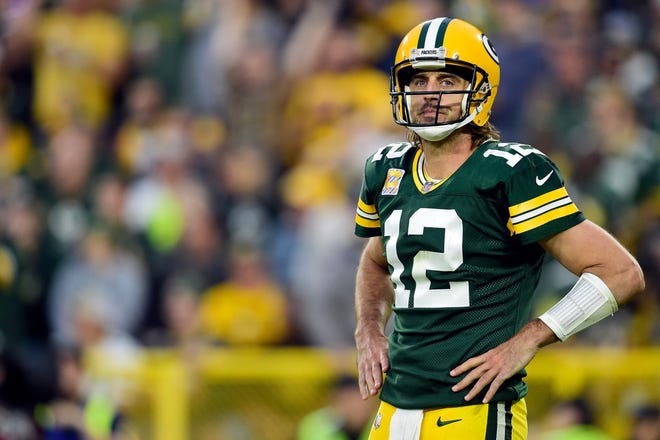
2 p.m. Packers quarterback Aaron Rodgers remains upset with the public’s reception to his admission that he is not vaccinated against COVID-19, according to People.

Rodgers tested positive for COVID-19 last week before missing Green Bay’s loss to the Chiefs on Sunday. Rodgers previously indicated he was vaccinated in an August press conference, telling the media when asked about his status, “I’m immunized.”

Green Bay’s signal-caller made an appearance on The Pat McAfee Show on Friday to address the apparent obfuscation, a segment that featured misinformation on both COVID-19 and vaccines. Rodgers now feels as though he’s “being crucified” for his remarks, per People.

1:34 p.m. Canadians are scrambling to get mortgage pre-approvals and rate holds as economists predict the pandemic-long stretch of low interest rates will soon end.

Estée Zacks says she recently noticed a surge in requests for rate holds, which freeze mortgage rates for up to 130 days.

The owner of Strategic Mortgage Solutions Inc. says her clients see the holds as a way to get a leg up on hot markets like Toronto that are favouring sellers.

CIBC Capital Markets analyst Benjamin Tal says even a one per cent increase in mortgage rates from current levels will cost an average new buyer $230 or 12 per cent more in additional monthly interest payments.

BMO Capital Markets senior economist Robert Kavcic says five-year fixed mortgage rates are already creeping higher, but people with pre-approvals in hand probably have another month or two to buy a home.

1:20 p.m. Quebec needs to quickly provide a coherent plan on how it intends to offer third doses of COVID-19 vaccine to the general population, Dr. André Veillette, an immunologist at the Montreal Clinical Research Institute, said Monday.

The province announced in late September it would offer people in long-term care homes and seniors residences booster shots to prevent outbreaks among vulnerable residents. Since August, Quebec has offered a third dose of COVID-19 vaccine to people who are severely immunocompromised.

While boosters for the general population weren’t part of the National Advisory Committee on Immunization’s recommendations at the end of October, provinces such as Ontario and British Columbia have already announced plans to expand eligibility for third shots.

1 p.m. Ontario plans to spend $12.4 million on more mental health and addictions supports for front-line health-care workers.

The province says $5.9 million will go to services offered through hospitals such as self-referral and intake services, online discussion groups and confidential clinician support.

There is also $1.9 million allocated for psychologist services specializing in trauma, anxiety and other conditions and $4.6 million for workplace mental health training.

12:45 p.m. Ontario’s health minister says the government isn’t changing course on its reopening plan despite a recent rise in COVID-19 infections.

Health Minister Christine Elliott says a bump in cases was anticipated during the colder weather as people move indoors, and that was factored into the province’s plans.

Experts told The Canadian Press this week that cold weather and the lifting of provincial crowd restrictions on some venues like stadiums and restaurants might be behind the growth in cases.

Tuesday saw 441 new cases reported in the province and seven-day average of 492 daily infections, up from 371 a week ago.

11:35 a.m. (updated) Health Canada has approved a booster of Pfizer-BioNTech’s COVID-19 vaccine for people over the age of 18.

The booster is designed to help people with their first two COVID-19 vaccine doses maintain their protection against the virus over time.

The booster is identical to the regular Pfizer-BioNTech vaccine, and is to be administered at least six months after the first two vaccine doses.

Different provinces have employed different rollout strategies for booster doses, and mRNA vaccines like Pfizer-BioNTech have already been used to offer longer-lasting protection to high-risk people in several parts of the country.

The National Advisory Committee on Immunization says there is no evidence of waning protection against over time against severe COVID-19 in the general vaccinated population.

11:22 a.m. Conservative MP Marilyn Gladu is apologizing for sharing misinformation about the severity of COVID-19 and the safety and efficacy of vaccines.

In a statement Tuesday, Gladu called her remarks “inappropriate.”

“Upon reflection, I recognize how dangerous it is to share misinformation about the severity of COVID-19 and the safety and efficacy of vaccines,” she said.

“I retract these comments in full.”

Read the full story from the Star’s Stephanie Levitz

11 a.m. India’s coronavirus crisis, which was killing thousands of people a day just seven months ago, has eased after the nation’s leaders revamped their policies and dramatically ramped up their vaccination drive.

Now, as India celebrates the delivery of its 1 billionth dose, a feat that until recently seemed improbable, public health experts are sounding a new warning: The turnaround is losing steam.

Vaccinations are slowing down. As the temperature dips amid India’s most important festival season, people are crowding markets and hosting unmasked friends and family indoors. And the government is telling vaccination campaign volunteers like Namanjaya Khobragade that they are no longer needed.

“Now is not the time to let our guard down,” said Khobragade, a coordinator for a health nonprofit in the eastern state of Jharkhand. “Many people have taken just the first vaccine. We cannot leave them like this. We need to increase the intensity.”

10:15 a.m. (updated) Ontario is reporting another 441 COVID-19 cases and three more deaths, according to its latest report released Tuesday morning.

Ontario has administered 13,049 vaccine doses since its last daily update, with 22,637,009 vaccines given in total as of 8 p.m. the previous night.

According to the Star’s vaccine tracker, 11,539,002 people in Ontario have received at least one shot. That works out to approximately 88.5 per cent of the eligible population 12 years and older, and the equivalent of 77.6 per cent of the total population, including those not yet eligible for the vaccine.

Read the full story from the Star’s Urbi Khan

10 a.m. A giant gap exists in Waterloo Region’s defences against COVID-19. About 126,000 residents are not yet vaccinated, giving the virus plenty of opportunity to spread through the community.

“This is equivalent to an entire mid-sized city such as Cambridge or Waterloo not being immunized,” medical officer of health Dr. Hsiu-Li Wang told regional council at Tuesday’s meeting.

Almost 44,000 people over 12 are not immunized. Almost 82,000 children under 12 are not yet eligible to get the vaccine.

9:45 a.m. The vast majority of staff members at Waterloo Region’s and Guelph-Wellington’s long-term- care homes are vaccinated, with the average staff vaccination rate in the neighbouring public health units sitting at 89.8 per cent, according to Ministry of Ontario data, last updated on Oct. 1.

The Ontario Ministry of Long-Term Care updates data on a monthly basis, typically in the middle of the month.

But with the provincial government issuing a vaccine mandate that takes place Nov. 15 and third-dose booster shots now available for all long-term care workers, almost all long-term care homes in the region will need to work on getting their staff 100 per cent vaccinated.

9:30 a.m. The health board governing Quebec’s Nunavik region says the COVID-19 situation in the northern territory is worse than it’s ever been.

Health officials reported 30 new cases Monday across the region, which is home to 14 Inuit communities.

The territory has 259 active reported cases.

Quebec’s public health institute says Nunavik is the most affected part of the province, with about 1,450 active COVID-19 cases per 100,000 people.

9:13 a.m. Book sales have thrived during the pandemic after initial concerns that it might hurt the publishing business. Come the holidays, some new nonfiction might hit your gifting sweet spots.

9 a.m. Hospitals in the southern Dutch province of Limburg warned the government Tuesday that they can no longer cope with new COVID-19 patients amid soaring rates of coronavirus infections.

Five hospitals in the province that borders both Belgium and Germany raised the alarm in a statement that said: “We are heading straight for a healthcare blockage and the entire system is grinding to a standstill.”

They added that, “we are convinced that other parts of the Netherlands will soon follow.”

Amid an autumn surge across much of Europe, the seven-day rolling average of daily new cases in the Netherlands has almost doubled over the past two weeks from 30.88 to 61.12 new cases per 100,000 people despite more than 80 per cent of the adult population being fully vaccinated.

8:45 a.m. The morgue in Romania’s main hospital has no space for the dead any more. In a stark illustration of the human cost of the coronavirus surge sweeping the nation, bodies of COVID-19 victims, wrapped in black plastic bags, line a hallway of the hospital in the capital, Bucharest.

Hundreds of people have been dying each day for the past two months in Romania which has been among the hardest-hit in the current virus onslaught raging through Central and Eastern European nations, where far fewer people have been vaccinated than in Western Europe.

A country of 19 million people, Romania currently has among the highest death rates in Europe. Last month the World Health Organization sent a team to help with the nation’s pandemic response.

8:30 a.m. A player on Germany’s national soccer team has tested positive for the coronavirus and four more are in quarantine as a precaution ahead of World Cup qualifying games against Liechtenstein and Armenia.

The German soccer federation said Tuesday that the unnamed player was fully vaccinated and does not have any symptoms. The other four tested negative for the virus but have been instructed by the local health authority in Wolfsburg to isolate because of their proximity to the infected player.

Germany has already qualified for next year’s World Cup ahead of its final qualifiers. The team hosts Liechtenstein in Wolfsburg on Thursday and then plays Armenia in Yerevan on Sunday.

8 a.m. Peel Public Health has confirmed seven schools in the region have active COVID-19 outbreaks. From Sept. 1 to Nov. 2, there have been a total of 31 outbreaks at schools in Peel region.

An outbreak is declared if the facility has two or more COVID-19 cases with an epidemiological link, which means at least one of the patients could have acquired the infection in the school.

7:46 a.m. Peel’s health agency is advising residents who attended a recent wedding event in Mississauga to get tested for COVID-19.

In a media release, Peel Public Health said those who attended an Oct. 29 wedding event at the Apollo Convention Centre in Mississauga were exposed to COVID-19 and should “seek immediate testing” whether they’ve been vaccinated or not.

Those who attended the event and are not fully vaccinated should isolate while waiting for test results, the release said

7:21 a.m. Wage growth, higher costs, supply chain issues, inflation — all of these issues are driving expectations of lower corporate earnings at the end of 2021 for everyone. Dennis Mitchell, CEO and chief investment officer at Starlight Capital, isn’t surprised by that. Nor does he believe the COVID-19 pandemic fundamentally changed major trends in business like the rise of e-commerce or the oversupply of physical retail space.

Shying away from shiny investments in favour of long-term stakes in great businesses, regardless of where they happen to be, is part of Starlight Capital’s strategy. In an interview with the Star, Mitchell unpacks his firm’s philosophy on great businesses, creating a diverse team, and where he sees the office real estate market going.

6:32 a.m.: Nobody wants to say here we go again, but here we are. Ontario has lived a relatively charmed pandemic life since the summer, and it appears to be over. The province’s seven-day case average has risen approximately 30 per cent in a week; vaccination efforts are stalling as we go. One rule of the virus is that unchecked, it will spread exponentially. We’re back there.

“Do you remember where we were immediately before Thanksgiving? That’s the behaviour and the extent of restrictions that is compatible with control of the pandemic,” says Dr. Peter Juni, the scientific director of Ontario’s independent volunteer science table. “So think how it was before Thanksgiving, and think about how much you were inside with other people. You shouldn’t do it more than you did then.”

If it sounds like going backwards, it is, in the province where the premier keeps saying he never wants to go back. A return to pre-Thanksgiving restrictions would mean a return of capacity limits in restaurants, bars, gyms, theatres and at sporting events, for a start. A return to pre-Thanksgiving social patterns should be achievable, if we just keep a bigger picture in mind. This can be done.

Read the full column from the Star’s Bruce Arthur.

6:20 a.m.: The pandemic’s effects on mortality have been uneven. Life expectancy dipped in most places last year, shaving 28.1 million years off the cumulative longevity in 31 countries. But residents of a handful of places that successfully kept COVID-19 at bay — including New Zealand and Taiwan — actually lived longer.

Life expectancy is an indication of how long on average people will live once their age is taken into account, provided that there aren’t any big shifts in the number of people dying in each age bracket over time. Another measure — excess years of life lost — quantifies the impact when those changes do occur, and gives greater weight to deaths that occur at younger ages.

A study of 37 countries and territories in the journal BMJ found the pandemic was a killing field in most places. More than 28 million years of life were lost in 2020 across 31 of them, with Russia, Bulgaria, Lithuania, the U.S., and Poland recording the heaviest toll, the study led by Nazrul Islam, a physician-epidemiologist and medical statistician at the University of Oxford, found.

Years of life lost in 2020 were higher than expected everywhere except Taiwan, New Zealand, Norway, Iceland, Denmark, and South Korea.

The number of years of life lost due to Covid-19 was more than five times greater than those lost from influenza in 2015, during the worst seasonal flu epidemic since the turn of the century.

6:20 a.m.: People who are fully vaccinated are 16 times less likely to end up in intensive care wards or to die from COVID-19, an Australian study found, adding to a growing body of evidence that may bolster the case for countries to treat the disease as endemic.

6:20 a.m.: The three parties in talks to form the next German government agreed on a package of measures to tackle the latest surge in cases, seeking to avoid sweeping restrictions like school closures and curfews.

6:20 a.m.: Hong Kong needs at least six months before reopening to the world, a government adviser said. The territory must finish negotiating open borders with the mainland and boost the vaccination rate, with Hong Kong and China the only places still pursuing a “Covid Zero” strategy.

6:17 a.m.: Denmark wants to again consider COVID-19 as “a socially critical disease,” paving the way for the reintroduction of a digital pass months after the label was removed and restrictions were phased out.

The move, which still needs approval in parliament, will also allow Denmark to reintroduce other restrictions if deemed necessary. A majority seems to be backing the suggestion of the minority Social Democratic government.

The pass was introduced on July 1 but removed on Sept. 10, when Denmark declared that the outbreak no longer was to be considered “a socially critical disease,” citing the high rate of vaccination.

However, Denmark has like many other countries seen an uptick in cases, with health authorities saying the number of infections and hospitalizations has risen faster than expected.

On Monday, Health Minister Magnus Heunicke said the COVID pass must apply to nightclubs, cafes, party buses and indoor restaurants but also outdoor events where the number of people exceeds 2,000.

The Danish pass app shows a QR code with a green banner if the holder is fully vaccinated or received a first dose at least two weeks ago, has recently recovered from COVID-19 or has had a negative test in the past 72 hours. A paper version is also available.

The call to reintroduce the pass was immediately welcomed by the industry.

6:15 a.m.: Residents of a New York border town say they’re eager to welcome Canadians now that the United States has eased land border restrictions, but they worry that costly COVID-19 testing rules will keep many travellers away.

On Monday, Christmas music floated down the halls of the Champlain Centre mall in Plattsburgh, N.Y., about an hour south of Montreal, where some retailers dreamt of the return of tourist dollars — perhaps in time for the holidays.

“We cannot wait to have Canadian shoppers come back,” Emily Moosmann, the mall’s marketing director, said in an interview. “We miss hearing French in the hallway; we miss seeing their faces.”

To lure shoppers back, the mall created a web page — headed by a large maple leaf — highlighting new stores that have opened, local COVID-19 test sites and special discounts for Canadian residents.

“About 30 per cent of our traffic is Canadian, so, not seeing them here, we definitely feel the impact,” she said. While there were only a few cars with Quebec licence plates in the parking lot on Monday, Moosmann said retailers were optimistic things would pick up on the weekend.

Read the full story from the Canadian Press.

6:15 a.m.: The Yukon government has declared a state of emergency and announced a series of public health rules aimed at curbing the spread of COVID-19, including a proof-of-vaccination requirement that’s set to take effect this Saturday.

The territory says it is “moving rapidly” to implement a proof-of-vaccination system for a range of settings, including restaurants, ticketed events, fitness facilities and personal services businesses, as well as faith-based and cultural gatherings.

It says the new measures also include mandatory masks in all indoor public settings and outdoor public settings where physical distancing isn’t possible, as well as capacity limits on different types of indoor and outdoor gatherings.

While the rules will be enforced starting Nov. 13, the territory says in a statement that Yukoners are “strongly encouraged” to adopt the measures immediately.

More than 10,000 patients caught Covid-19 in a hospital, analysis shows. They never made it out

They left with covid-19 — if they left at all.

More than 10,000 patients were diagnosed with covid in a U.S. hospital last year after they were admitted for something else, according to federal and state records analyzed exclusively for KHN. The number is certainly an undercount, since it includes mostly patients 65 and older, plus California and Florida patients of all ages.

Yet in the scheme of things that can go wrong in a hospital, it is catastrophic: About 21{cfdf3f5372635aeb15fd3e2aecc7cb5d7150695e02bd72e0a44f1581164ad809} of the patients who contracted covid in the hospital from April to September last year died, the data shows. In contrast, nearly 8{cfdf3f5372635aeb15fd3e2aecc7cb5d7150695e02bd72e0a44f1581164ad809} of other Medicare patients died in the hospital at the time.

Steven Johnson, 66, was expecting to get an infection cut out of his hip flesh and bone at Blake Medical Center in Bradenton, Florida, last November. The retired pharmacist had survived colon cancer and was meticulous to avoid contracting covid. He could not have known that, from April through September, 8{cfdf3f5372635aeb15fd3e2aecc7cb5d7150695e02bd72e0a44f1581164ad809} of that hospital’s Medicare covid patients were diagnosed with the virus after they were admitted for another concern.

Johnson had tested negative for covid two days before he was admitted. After 13 days in the hospital, he tested positive, said his wife, Cindy Johnson, also a retired pharmacist.

Soon he was struggling to clear a glue-like phlegm from his lungs. A medical team could hardly control his pain. They prompted Cindy to share his final wishes. She asked: “Honey, do you want to be intubated?” He responded with an emphatic “no.” He died three days later.

After her husband tested positive, Cindy Johnson, trained in contact tracing, quickly got a covid test. She tested negative. Then she thought about the large number of hospital staffers flowing into and out of his room — where he was often unmasked — and suspected a staff member had infected him. That the hospital, part of the HCA Healthcare chain, still has not mandated staff vaccinations is “appalling,” she said.

“I’m furious,” she said.

“How can they say on their website,” she asked, “that the safety precautions ‘we’ve put into place make our facilities among the safest possible places to receive healthcare at this time’?”

Blake Medical Center spokesperson Lisa Kirkland said the hospital is “strongly encouraging vaccination” and noted that it follows Centers for Disease Control and Prevention and federal and state guidelines to protect patients. President Joe Biden has called for all hospital employees to be vaccinated, but the requirement could face resistance in a dozen states, including Florida, that have banned vaccine mandates.
Cindy Johnson holds a pillow made from a shirt her husband, Steven, used to wear. Steven died of covid-19 in December 2020, and Cindy believes he contracted the virus at Blake Medical Center in Bradenton, Florida, where he was admitted for an infection in his hip. (Eve Edelheit for KHN)
Overall, the rate of in-hospital spread among Medicare and other patients was lower than in other countries, including the United Kingdom, which makes such data public and openly discusses it. On average, about 1.7{cfdf3f5372635aeb15fd3e2aecc7cb5d7150695e02bd72e0a44f1581164ad809} of U.S. hospitalized covid patients were diagnosed with the virus in U.S. hospitals, according to an analysis of Medicare records from April 1 to Sept. 30, 2020, provided by Dr. James Kennedy, founder of CDIMD, a Nashville-based consulting and data analytics company.

Yet the rate of infection was far higher in 38 hospitals where 5{cfdf3f5372635aeb15fd3e2aecc7cb5d7150695e02bd72e0a44f1581164ad809} or more of the Medicare covid cases were documented as hospital-acquired. The data is from a challenging stretch last year when protective gear was in short supply and tests were scarce or slow to produce results. The Medicare data for the fourth quarter of 2020 and this year isn’t available yet, and the state data reflects April 1 through Dec. 31, 2020.

A KHN review of work-safety records, medical literature and interviews with staff at high-spread hospitals points to why the virus took hold: Hospital leaders were slow to appreciate its airborne nature, which made coughing patients hazardous to roommates and staff members, who often wore less-protective surgical masks instead of N95s. Hospitals failed to test every admitted patient, enabled by CDC guidance that leaves such testing to the “discretion of the facility.” Management often failed to inform workers when they’d been exposed to covid and so were at risk of spreading it themselves.
Spread among patients and staffers seemed to go hand in hand. At Beaumont Hospital, Taylor, in Michigan, 139 employee covid infections were logged between April 6 to Oct. 20 last year, a hospital inspection report shows. Nearly 7{cfdf3f5372635aeb15fd3e2aecc7cb5d7150695e02bd72e0a44f1581164ad809} of the Medicare patients with covid tested positive after they were admitted to that hospital for something else, the federal data shows. A hospital spokesperson said tests were not available to screen all patients last year, resulting in some late diagnoses. He said all incoming patients are tested now.
Tracking covid inside health facilities is no new task to federal officials, who publicly report new staff and resident cases weekly for each U.S. nursing home. Yet the Department of Health and Human Services reports data on covid’s spread in hospitals only on a statewide basis, so patients are in the dark about which facilities have cases.
KHN commissioned analyses of hospital billing records, which are also used more broadly to spot various hospital-acquired infections. For covid, the data has limitations. It can pick up some community-acquired cases that were slow to show up, as it can take two to 14 days from exposure to the virus for symptoms to appear, with the average being four to five days. The records do not account for cases picked up in an emergency room or diagnosed after a hospital patient was discharged.
Linda Moore, pictured with her daughter Stacey Taylor, died of covid-19 in July 2020. Her daughter Trisha Tavolazzi says Moore tested positive after at least 15 days at Havasu Regional Medical Center in Lake Havasu City, Arizona. (Stacey Taylor)

Linda Moore, 71, tested positive at least 15 days into a hospital stay for spinal surgery, according to her daughter Trisha Tavolazzi. Her mother was at Havasu Regional Medical Center in Lake Havasu City, Arizona, which did not have a higher-than-average rate of internal spread last summer.

The hospital implemented “rigorous health and safety protocols to protect all of our patients” during the pandemic, said hospital spokesperson Corey Santoriello, who would not comment on Moore’s case, citing privacy laws.

Moore was airlifted to another hospital, where her condition only declined further, her daughter said. After the ventilator was removed, she clung to life fitfully for 5½ hours, as her daughter prayed for her mother to find her way to heaven.

“I asked her mom and her dad and her family and prayed to God, ‘Please just come show her the way,'” Tavolazzi said. “I relive it every day.”

When Tavolazzi sought answers from the hospital about where her mom got the virus, she said, she got none: “No one ever called me back.”

Two Negative Covid Tests, Then ‘Patient Zero’

As the second surge of covid subsided last September, doctors from the prestigious Brigham and Women’s Hospital published a reassuring study: With careful infection control, only two of 697 covid patients acquired the virus within the Boston hospital. That is about 0.3{cfdf3f5372635aeb15fd3e2aecc7cb5d7150695e02bd72e0a44f1581164ad809} of patients ― about six times lower than the overall Medicare rate. Brigham tested every patient it admitted, exceeding CDC recommendations. It was transparent and open about safety concerns.
He survived severe Covid-19; now he's getting vaccinated, but losing friends

But the study, published in the high-profile JAMA Network Open journal, conveyed the wrong message, according to Dr. Manoj Jain, an infectious-disease physician and adjunct professor at the Rollins School of Public Health at Emory University. Covid was spreading in hospitals, he said, and the study buried “the problem under the rug.”

Before the virtual ink on the study was dry, the virus began a stealthy streak through the elite hospital. It slipped in with a patient who tested negative twice ― but turned out to be positive. She was “patient zero” in an outbreak affecting 38 staffers and 14 patients, according to a study in Annals of Internal Medicine initially published Feb. 9.
That study’s authors sequenced the genome of the virus to confirm which cases were related ― and precisely how it traveled through the hospital.

As patients were moved from room to room in the early days of the outbreak, covid spread among roommates 8 out of 9 times, likely through aerosol transmission, the study says. A survey of staff members revealed that those caring for coughing patients were more likely to get sick.

The virus also appeared to have breached the CDC-OK’d protective gear. Two staff members who had close patient contact while wearing a surgical mask and face shield still wound up infected. The findings suggested that more-protective N95 respirators could help safeguard staff.

Even if they get breakthrough infections, vaccinated people don't get as sick with Covid-19, studies show

Brigham and Women’s now tests every patient upon admission and again soon after. Nurses are encouraged to test again if they see a subtle sign of covid, said Dr. Erica Shenoy, associate chief of the Infection Control Unit at Massachusetts General Hospital, who helped craft policy at Brigham.

She said nurses and environmental services workers are at the table for policymaking: “I personally make it a point to say, ‘Tell me what you’re thinking,'” Shenoy said. “‘There’s no retribution because we need to know.'”

CDC guidelines, though, left wide latitude on protective gear and testing. To this day, Shenoy said, hospitals employ a wide range of policies.

The CDC said in a statement that its guidelines “provide a comprehensive and layered approach to preventing transmission of SARS-CoV-2 in healthcare settings,” and include testing patients with “even mild symptoms” or recent exposure to someone with covid.

Infection control policies are rarely apparent to patients or visitors, beyond whether they’re asked to wear a mask. But reviews of public records and interviews with more than a dozen people show that at hospitals with high rates of covid spread, staff members were often alarmed by the lack of safety practices.

Nurses Sound the Alarm on Covid Spread

As covid crept into Florida in spring 2020, nurse Victoria Holland clashed with managers at Blake Medical Center in Bradenton, where Steven Johnson died.

She said managers suspended her early in the pandemic after taking part in a protest and “having a hissy fit” when she was denied a new N95 respirator before an “aerosol-generating” procedure. The CDC warns that such procedures can spread the virus through the air. Before the pandemic, nurses were trained to dispose of an N95 after each patient encounter.

When the suspension was over, Holland said, she felt unsafe. “They told us nothing,” she said. “It was all a little whisper between the doctors. You had potential covids and you’d get a little surgical mask because [they didn’t] want to waste” an N95 unless they knew the patient was positive.

Pfizer says its experimental pill reduces risk of hospitalization, death from Covid-19
Holland said she quit in mid-April. Her nursing colleagues lodged a complaint with the Occupational Safety and Health Administration in late June alleging that staff “working around possible Covid-19 positive cases” had been denied PPE. Staff members protested outside the hospital in July and filed another OSHA complaint that said the hospital was allowing covid-exposed employees to keep working.

Kirkland, the Blake spokesperson, said the hospital responded to OSHA and “no deficiencies were identified.”

The Medicare analysis shows that 22 of 273 patients with covid, or 8{cfdf3f5372635aeb15fd3e2aecc7cb5d7150695e02bd72e0a44f1581164ad809}, were diagnosed with the virus after they were admitted to Blake. That’s about five times as high as the national average.

Kirkland said “there is no standard way for measuring COVID-19 hospital-associated transmissions” and “there is no evidence to suggest the risk of transmission at Blake Medical Center is different than what you would find at other hospitals.”

In Washington, D.C., 34 Medicare covid patients contracted the virus at MedStar Washington Hospital Center, or nearly 6{cfdf3f5372635aeb15fd3e2aecc7cb5d7150695e02bd72e0a44f1581164ad809} of its total, the analysis shows.

Antiviral pills for Covid-19 -- not a cure, but a great tool
Unhappy with the safety practices ― which included gas sterilization and reuse of N95s — National Nurses United members protested on the hospital lawn in July 2020. At the protest, nurse Zoe Bendixen said one nurse had died of the virus and 50 had gotten sick: “[Nurses] can become a source for spreading the disease to other patients, co-workers and family members.”

Nurse Yuhana Gidey said she caught covid after treating a patient who turned out to be infected. Another nurse ― not managers doing contact tracing ― told her she’d been exposed, she said.

Nurse Kimberly Walsh said in an interview there was an outbreak in a geriatric unit where she worked in September 2020. She said management blamed nurses for bringing the virus into the unit. But Walsh pointed to another problem: The hospital wasn’t covid-testing patients coming in from nursing homes, where spread was rampant last year.

MedStar declined a request for an interview about its infection control practices and did not respond to specific questions.

While hospitals must track and publicly report rates of persistent infections like C. diff, antibiotic-resistant staph and surgical site infections, similar hospital-acquired covid rates are not reported.
KHN examined a different source of data that Congress required hospitals to document about “hospital-acquired conditions.” The Medicare data, which notes whether each covid case was “present on admission” or not, becomes available months after a hospitalization in obscure files that require a data-use agreement typically granted to researchers. KHN counted cases, as federal officials do, in some instances in which the documentation is deemed insufficient to categorize a case (see data methodology, below).

For this data, whether to deem a covid case hospital-acquired lies with medical coders who review doctors’ notes and discharge summaries and ask doctors questions if the status is unclear, said Sue Bowman, senior director of coding policy and compliance at American Health Information Management Association.

She said medical coders are aware that the data is used for hospital quality measures and would be careful to review the contract tracing or other information in the medical record.

If a case was in the data KHN used, “that would mean it was acquired during the hospital stay either from a health care worker or another patient or maybe if a hospital allowed visitors, from a visitor,” Bowman said. “That would be a fair interpretation of the data.”

The high death rate for those diagnosed with covid during a hospital stay — about 21{cfdf3f5372635aeb15fd3e2aecc7cb5d7150695e02bd72e0a44f1581164ad809} — mirrors the death rate for other Medicare covid patients last year, when doctors had few proven methods to help patients. It also highlights the hazard unvaccinated staffers pose to patients, said Jain, the infectious-disease doctor. The American Hospital Association estimates that about 42{cfdf3f5372635aeb15fd3e2aecc7cb5d7150695e02bd72e0a44f1581164ad809} of U.S. hospitals have mandated that all staff members be vaccinated.

“We don’t need [unvaccinated staff] to be a threat to patients,” Jain said. “[Hospital] administration is too afraid to push the nursing staff, and the general public is clueless at what a threat a non-vaccinated person poses to a vulnerable population.”

Cindy Johnson believes her husband, Steven, caught covid-19 from staff at Blake Medical Center in Bradenton, Florida, in November 2020. After his death, she asked a doctor who sees patients at the hospital to take down the big "OPEN & SAFE" sign outside. (Cindy Johnson)
Cindy Johnson said the hospital where she believes her husband contracted covid faced minimal scrutiny in a state inspection, even after she said she reported that he caught covid there. She explored suing, but an attorney told her it would be nearly impossible to win such a case. A 2021 state law requires proof of “at least gross negligence” to prevail in court.

Johnson did ask a doctor who sees patients at the hospital for this: Please take down the big “OPEN & SAFE” sign outside.

Within days, the sign was gone.

KHN requested custom analyses of Medicare, California and Florida inpatient hospital data to examine the number of covid-19 cases diagnosed after a patient’s admission.

The Medicare and Medicare Advantage data, which includes patients who are mostly 65 or older, is from the Medicare Provider Analysis and Review (MedPAR) file and was analyzed by CDIMD, a Nashville-based medical code consulting and data analytics firm. The data is from April 1 through Sept. 30, 2020. The data for the fourth quarter of 2020 is not yet available.

That data shows the number of inpatient Medicare hospital stays in the U.S., including the number of people diagnosed with covid and the number of admissions for which the covid diagnosis was not “present on admission.” A condition not “present on admission” is presumed to be hospital-acquired. The data is for general acute-care hospitals, which may include a psychiatric floor, and not for other hospitals such as Veterans Affairs or stand-alone psychiatric hospitals.

KHN requested a similar analysis from California’s Department of Health Care Access and Information of its hospital inpatient data. That data was from April 1 through Dec. 31, 2020, and covered patients of all ages and payer types and in general, private psychiatric and long-term acute-care hospitals. Etienne Pracht, a University of South Florida researcher, provided the number of Florida covid patients who did not have the virus upon hospital admission for all ages at general and psychiatric hospitals from April 1 through Dec. 31, 2020. KHN subtracted the number of Medicare patients in the MedPAR data from the Florida and California all-payer datasets so they would not be counted twice.

To calculate the rate of Medicare patients who got covid or died, KHN relied on the MedPAR data for April through September. That data includes records for 6,629 seniors, 1,409 of whom, or 21{cfdf3f5372635aeb15fd3e2aecc7cb5d7150695e02bd72e0a44f1581164ad809}, died. California data for all ages and payer types from April through December shows a similar rate: Of 2,115 who contracted covid after hospital admission, 435, or 21{cfdf3f5372635aeb15fd3e2aecc7cb5d7150695e02bd72e0a44f1581164ad809}, died. The MedPAR data was also used to calculate the national nosocomial covid rate of 1.7{cfdf3f5372635aeb15fd3e2aecc7cb5d7150695e02bd72e0a44f1581164ad809}, with 6,629 of 394,939 covid patients diagnosed with the virus that was deemed not present on admission.

Data on whether an inpatient hospital diagnosis was present on admission is used by Medicare for payment determinations and is intended to incentivize hospitals to prevent infections acquired during hospital care. It is also used by the U.S. Agency for Healthcare Research and Quality to “assist in identifying quality of care issues.”

Whether covid is acquired in a hospital or in the community is measured in different ways. Some nations assume the virus is hospital-acquired if it is diagnosed seven or more days after admission, while statewide U.S. data counts cases only after 14 days.

Medical coders who examine medical records for this inpatient billing data focus on the physician’s admission, progress and discharge notes to determine whether covid was present on admission. They do not have a set number of days they look for and are trained to query physicians if the case is unclear, according to Sue Bowman, senior director of coding policy and compliance at the American Health Information Management Association.

KHN tallied the cases in which covid was logged in the data as not “present on admission” to the hospital. Some covid cases are coded as “U” for having insufficient documentation to make a determination. Since Medicare and AHRQ consider the “U” to be an “N” (or not present on admission) for the purposes of payment decisions and quality indicators, KHN chose to count those cases in the grand total.

In 409 of 6,629 Medicare cases and in 70 of 2,185 California cases, the “present on admission” indicator was “U.” The Florida data did not include patients whose “present on admission” indicator was “U.” Medical coders have another code, “W,” for “clinically undetermined” cases, which consider a condition present on admission for billing or quality measures. Medical coders use the “U” (leaning toward “not present on admission”) and “W” (leaning toward “present on admission”) when there is some uncertainty about the case.

The Medicare MedPAR data includes about 2,500 U.S. hospitals that had at least a dozen covid cases from April through September 2020. Of those, 1,070 reported no cases of hospital-acquired covid in the Medicare records. Data was suppressed for privacy reasons for about 1,300 hospitals that had between one and 11 hospital-acquired covid cases. There were 126 hospitals reporting 12 or more cases of covid that were not present on admission or unknown. For those, we divided the number of hospital-acquired cases by the total number of patients with covid to arrive at the rate of hospital-acquired cases, as is standard in health care.

Aaron Rodgers, unvaccinated Packers star, tests positive for COVID-19