Hong Kong Covid-19: Quarantine rules take a toll on Cathay pilots

“The morale is all gone. All gone,” said the first Cathay pilot, who has worked at the airline for several years. “Everybody’s angry.”

But the challenges it faces as a Hong Kong-based business may be the toughest in the industry.

The city, along with mainland China, is one of the last places in Asia still adopting a “zero Covid” strategy. While the insistence on stamping out any trace of the virus means the city is largely Covid-free, the policy also means Hong Kong is home to one of the longest quarantines on Earth. And the recent emergence of Omicron, the new coronavirus variant, threatens to further upend aviation and could lead to stricter controls.
The existing rules have reignited debate on whether its approach to the pandemic is ultimately hurting the city — particularly as other places begin to adopt a “living with Covid” playbook.

The first Cathay pilot said they recently spoke with four colleagues who quit on the same day, and that resignations were noticeably up compared to years prior. They said “a lot” of colleagues were seeking help to deal with mental health issues.

In a statement to CNN Business, Cathay said that “we fully acknowledge that these rules and the length of time they have been in force are placing a burden on our aircrew, all of whom have been exemplary in their conduct and professionalism throughout this difficult period.”
Cathay Pacific fires three pilots who caught Covid-19 in Germany

“Up to the end of October our resignation and early retirement rate has been on par with historical data,” it said.

To be sure, others in the aviation industry are feeling the pain in the Chinese city.

In November, FedEx (FDX) said it would shut down its crew base in Hong Kong entirely and relocate pilots away from the city. In a statement, the company cited “pandemic requirements in Hong Kong.” And last week, British Airways (BA) temporarily suspended flights to Hong Kong after one of its crew members tested positive for Covid-19 on arrival to the city.

This week, Swiss International Airlines has also suspended flights to Hong Kong, saying it is “in response to a tightening of the local quarantine provisions for crew members arriving in Hong Kong.” The carrier says it will closely monitor the situation “with a view to these services’ resumption.”

The ‘closed loop’

Since the pandemic, Cathay has adopted so-called “closed loop” flights, mostly for those traveling to countries designated by Hong Kong as “high risk,” such as the United States, India and the United Kingdom.

This typically means that pilots fly out for several weeks, cannot leave their hotel rooms upon arriving at their destination, and return to hotel quarantine in Hong Kong for another two weeks, according to the Cathay pilots who spoke to CNN Business. That is then followed by a further two weeks of isolation at home, they said.

The arrangement is voluntary. Crew who don’t participate can be assigned other routes, such as ones involving cargo or which go to “low-risk” destinations, according to the pilots. Some do not have the chance to fly at all.

But currently for the “closed loops,” “they’re not getting the volunteers,” according to the first pilot.
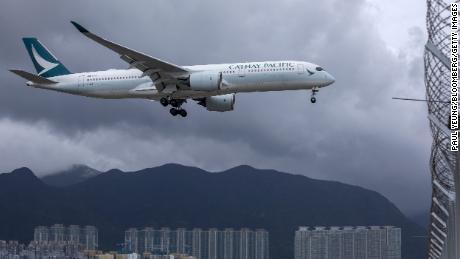
A Cathay Pacific aircraft coming in to land at Hong Kong International Airport in August.

Last month, Cathay said it had to cancel some flights in December, saying that “operational and travel restrictions … continue to constrain our ability to operate flights as planned.”

The company did not comment on whether staffing shortages had played a role. It did, however, say Monday that “in view of the latest travel restrictions, including the government’s quarantine classification for many of our major markets, and the subsequent operational constraints, our ability to operate flights as planned continues to be affected.”
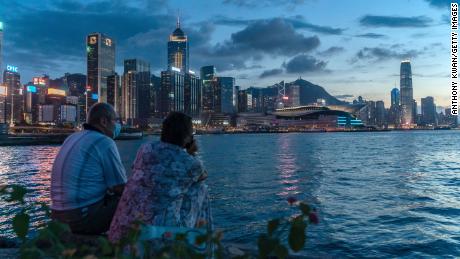
In recent days, Hong Kong has reclassified more than a dozen countries as “high risk,” including South Korea, Germany and Singapore, leaving many passengers scrambling over their holiday plans.
Hong Kong's 'zero Covid' strategy frustrates travel-starved residents

The “closed loops” for such destinations are so grueling, according to the pilots, that Cathay has now set up emotional support groups for participants.

“I know a lot of guys who pulled out of it. They just say, ‘We’re done doing closed loops,'” said the first pilot. “After one or two of them, they’re just like, ‘Yeah, I’m done. I can’t do this anymore.’ They just get tired of quarantine or isolation.”

Pilots outside the “closed loop” program are losing patience, too.

Another Cathay pilot, who has worked at the airline for more than a decade, said of the quarantine rules, “I think for me, one way to sort of describe it is: Imagine somebody came along once a day and just slapped you in the face.”

“At the start, you’d just be like, ‘Oh, this is a bit annoying.’ And after a month, you would just be like, ‘Oh, this is starting to get a bit irritating now.’ And after 18 months or more, you’d just be like, ‘I’ve just had enough.'”
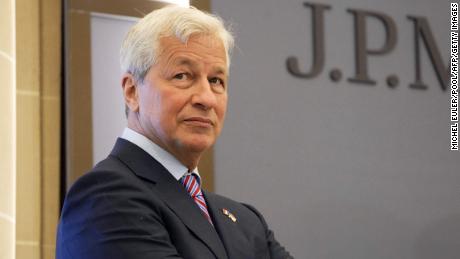
JPMorgan CEO Jamie Dimon allowed to skip quarantine in Hong Kong

Like staff at many airlines, all Cathay flight crew are fully vaccinated. And the carrier has said it is simply complying with government restrictions in Hong Kong, which still require most travelers to quarantine for up to three weeks, even if they are inoculated.

Cathay has also been praised for sending its employees supplies during quarantine in some cases, such as refrigerators and air mattresses, as well as care packages. The airline told CNN Business that “we have done all we can to support our teams by managing what we can control, such as periods of free time after closed loop roster patterns, financial incentives and options to take extended leave of absence.”

The company also noted a recent incident in Frankfurt, in which three pilots were found to have breached isolation rules, caught Covid-19 and were terminated.

This “has affected current sentiment; however, we fully expect to be a competitive employer of both local and international talent in the long term,” the airline added, adding that it has plans to employ several hundred pilots in the coming year.

“This situation is not unique to Cathay Pacific as the aviation industry worldwide has been hugely affected by this unprecedented global pandemic.”

The company also added that it holds biweekly calls to discuss concerns, in addition to the pilot support group and Cathay’s official employee assistance program.

But “the problem is, there’s no light at the end of the tunnel,” said the second pilot, describing the experience as inhumane. “Even people in solitary confinement get half an hour, an hour of exercise a day, whereas we’re not allowed out of the hell hotel room.”

Sliding morale

Hong Kong’s rules don’t appear to be lifting anytime soon. And at Cathay, morale was already sliding before the pandemic.

In 2019, the company became divided during pro-democracy protests in Hong Kong. Chinese state media slammed Cathay workers taking part in illegal demonstrations and the airline terminated several employees over the issue. During the turmoil, the carrier also lost its CEO and chief commercial officer.
Another sticking point for staff was a sweeping restructuring that took place in October 2020, which involved mass layoffs, significant pay cuts and the shutdown of regional airline Cathay Dragon.

The pilots who spoke to CNN Business say that many who stayed on took cuts of between 30{cfdf3f5372635aeb15fd3e2aecc7cb5d7150695e02bd72e0a44f1581164ad809} and 60{cfdf3f5372635aeb15fd3e2aecc7cb5d7150695e02bd72e0a44f1581164ad809} to their compensation as the airline slashed costs.

Cathay Pacific fires three pilots who caught Covid-19 in Germany

The second pilot said that his children were forced to change schools after the move, because he couldn’t afford the tuition fees anymore.

He argued that Cathay could have made the pay cuts temporary, instead of permanent, saying that other airlines in similar positions had done more to protect their employees.

“There’s got to be more you can do,” he said. “We’ve had permanent sweeping changes that will never be … the same again.”

In its statement to CNN Business, Cathay said that the reorganization “was to protect as many jobs as possible, whilst meeting our responsibilities to the Hong Kong aviation hub and our customers.”

“Pilots were asked to consent to new conditions of service to better align incentives to productivity, and some 98.5{cfdf3f5372635aeb15fd3e2aecc7cb5d7150695e02bd72e0a44f1581164ad809} of the pilots did,” it noted. “These are competitive contracts, which enable us to continue to recruit and retain the very best people to be our pilots as we seek to survive and rebuild our business.”

An industry shift

Hong Kong authorities have defended their quarantine rules, pointing to the success the city has had in keeping out infection. The city of more than 7 million has recorded just over 12,000 total cases and 213 deaths since the start of the pandemic.
In September, Hong Kong Commerce Secretary Edward Yau told CNN Business that he understood the frustration held by companies, but emphasized the lack of coronavirus cases in the city.

“Let’s not lose sight. This is hard-earned,” Yau said at the time. “We must maintain this high level of vigilance.”

But as the pandemic nears the two-year mark, companies are increasingly under pressure to help ease staff fatigue.
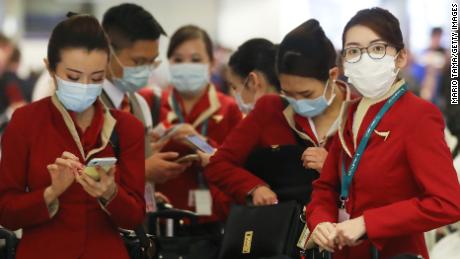
A flight crew from Cathay Pacific standing in the international terminal after arriving on a flight from Hong Kong at Los Angeles International Airport in February 2020.

Last month, Cathay said that it would consider letting some of its pilots live abroad temporarily, in an “extended roster” plan that would allow them to be stationed outside Hong Kong for two to four months.

“We are exploring options and seeking expressions of interest from pilots,” the company said in a statement.

It added last week that the program “is intended as a possible fallback plan and is not considered to be a long-term solution to the current challenges Cathay Pacific is facing.”

The British Airways incident involving a crew member who tested positive for Covid-19, meanwhile, reportedly forced other airline staff to go into quarantine at a government facility, though BA declined to confirm or comment on how many employees were affected.
Top bankers can now bypass strict quarantine rules in Hong Kong

“We’re supporting crew who are currently isolating in Hong Kong,” a BA spokesperson said. “We have made the difficult decision to temporarily suspend flights to Hong Kong while we review operational requirements.”

And the move by FedEx to shut down its crew base in Hong Kong has raised questions about the city’s role as a logistics hub. The decision was made “as there is no clear timeline when life may return to normal in Hong Kong,” Robin Sebasco, FedEx’s system chief pilot, wrote to employees in an internal memo, according to the South China Morning Post.

CNN Business could not verify the memo, and FedEx declined to comment about that report. In its statement to CNN Business, the company stressed that it would “continue to maintain its operations in Hong Kong, which is vital to our Asia Pacific and global network.”

Cathay, too, has said that it is “fully committed to protecting and enhancing Hong Kong’s aviation hub status … despite the challenging circumstances presented by the pandemic.”
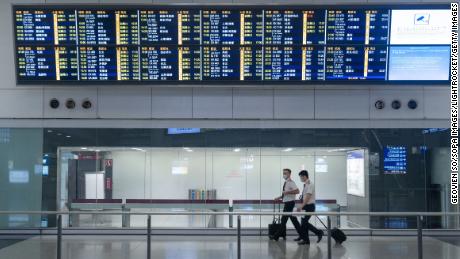
Cathay Pacific pilots seen wearing face masks exiting the arrival hall at the Hong Kong International Airport terminal.

Some critics have already said that as travel restrictions continue, the former British colony is losing its luster as a global business center, though the government maintains such measures are needed to protect public health.

Brendan Sobie, an independent aviation analyst and consultant, said there is also “concern” for the city’s future as an international aviation hub.

“This is not just about the pilot or crew quarantine issues,” he told CNN Business, noting that “these issues have been happening virtually all year and will likely persist for some time given Hong Kong’s ‘Covid zero’ policy and the emergence of a new variant.”

Sobie predicts that the Omicron variant will set back the recovery for aviation “throughout Asia and globally.”

“But the rival hubs are still in a much better position overall than Hong Kong,” he said, adding that “other international hubs in the region were starting to recover in recent weeks while Hong Kong was still stuck at minuscule traffic levels.”

“It could be very difficult for Hong Kong to compete from a hub perspective for some time, and there could potentially be permanent implications.”

— Teele Rabane and Wayne Chang contributed to this report.

US coronavirus: The US is averaging more than 100,000 new Covid-19 cases a day, the highest level in two months

The seven-day moving average of new cases was 121,437 as of Saturday, according to data from Johns Hopkins University (JHU). Prior to this week, the US last topped the 100,000-cases-a-day mark in early October.

Also on the rise is the number of Covid-19 deaths, with a seven-day average of 1,651 people dying from the virus each day as of Saturday, the JHU data showed. Average daily deaths haven’t been this high in more than a month.

The vast majority of new cases in the US continue to be from the Delta variant, but US health officials have detected the new Omicron coronavirus variant in at least 16 states as of Saturday.

The first case was found in California on Wednesday, and by the weekend the variant had been identified in 15 other states: Colorado, Connecticut, Hawaii, Louisiana, Maryland, Massachusetts, Minnesota, Missouri, Nebraska, New Jersey, New York, Pennsylvania, Utah, Washington, and Wisconsin.

The Omicron variant has been alarming officials because early indications show it could be more contagious than the original strain, and the significant number of mutations it carries poses a potential risk of reducing some of the effectiveness the current vaccines provide. Scientists are working to determine the severity and transmissibility of Omicron — but that could take weeks, officials have said.

Still, the US is more equipped now to deal with the newly detected variant than it was during the onset of the pandemic, US Surgeon General Dr. Vivek Murthy said Thursday.

What the Omicron variant means for the holidays

“We are in such a different place now than we were one year ago because we’ve learned a lot more. We have vaccines available. We have far more tests available, and what we’ve got to do to get through this winter is to make sure that we are doubling down on our vaccination strategy,” Murthy told CNN.

The surgeon general stressed that even though there’s a lot to learn about the new variant, mitigation efforts, including masks and hand hygiene combined with physical distancing, remain effective in providing some protection.

Just under 60{cfdf3f5372635aeb15fd3e2aecc7cb5d7150695e02bd72e0a44f1581164ad809} of the total US population is fully vaccinated and nearly 23{cfdf3f5372635aeb15fd3e2aecc7cb5d7150695e02bd72e0a44f1581164ad809} of those have received a booster, according to the latest data from the US Centers for Disease Control and Prevention (CDC).

Delta remains the dominant strain in the world

While the Omicron variant has the potential to become the dominant strain in the US, the Delta variant continues to show up in 99.9{cfdf3f5372635aeb15fd3e2aecc7cb5d7150695e02bd72e0a44f1581164ad809} of coronavirus cases, according to Dr. Rochelle Walensky, director of the CDC.

“We know what we need to do against Delta, and that is get vaccinated, get boosted if you’re eligible and continue all of those prevention measures, including masking. And those are very likely to work against the Omicron variant,” Walensky told CNN chief medical correspondent Dr. Sanjay Gupta.

Travel restrictions by country following the Omicron variant outbreak
The Delta variant managed to take over the entire nation in the early weeks of summer, changing the outlook as vaccines were rolling out and becoming more widely available. The variant continues to rage in hotspots across the country.
More than 59,000 Americans are hospitalized with Covid-19, according to data from US Department of Health and Human Services. And overall, hospitalizations have been on the rise for more than three weeks.
The World Health Organization said the Delta variant has outcompeted other variants in most countries — making it the most common strain in much of the world.

“Even if the Omicron strain doesn’t turn out to be any worse, we are losing close to a thousand people every day from the Delta variant, and that in and of itself is a reason for people to get boosted,” Dr. Richard Besser, former acting director of the CDC, told CNN earlier this week.

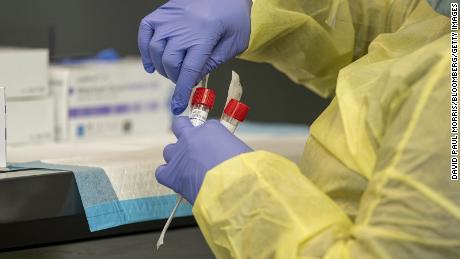
A medical worker seals a test tube with a Covid-19 nasal swab at the Dignity Health-GoHealth Urgent Care testing site in the international terminal at San Francisco International Airport in California, on December 2, 2021.

Stricter travel rules to begin Monday

Dr. Anthony Fauci said earlier this week that traveling during the holidays is OK — but getting vaccinated and boosted are a must.

“Just as I said and I’ll say it again, if you have a vaccinated situation, enjoy the holidays with your family in a family setting,” said Fauci, the director of the National Institute of Allergy and Infectious Diseases, at a CNN Global Town Hall.
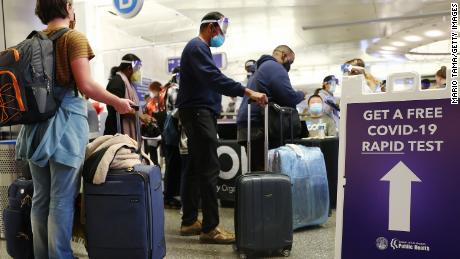
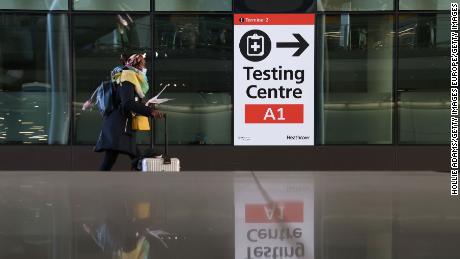
For international travelers, proof of a negative Covid-19 test within one day of departure for the US will be required as of Monday, the Biden administration announced Thursday. Previously a test could be taken up to three days before entering the country.

Plus, any foreign national who travels to the US must be fully vaccinated, though there is no vaccination requirement for American citizens for air travel, either globally or domestically.

However, the White House said this week that a vaccine requirement for domestic travel remained on the table as an option for the future.

CNN’s Deidre McPhillips, Jamie Gumbrecht, Jen Christensen, Maggie Fox, Travis Caldwell and Naomi Thomas contributed to this report.

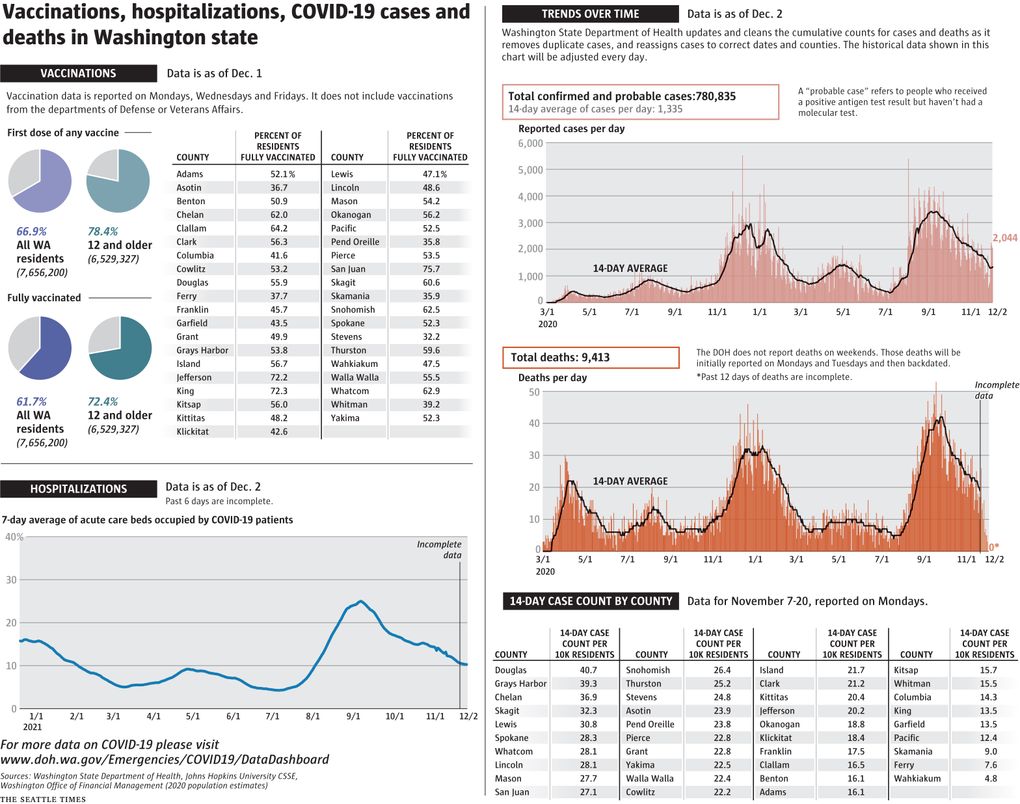
Coronavirus daily news updates, December 4: What to know today about COVID-19 in the Seattle area, Washington state and the world

Editor’s note: This is a live account of COVID-19 updates from Saturday, Dec. 4, as the day unfolded. It is no longer being updated. Click here to see all the most recent news about the pandemic, and click here to find additional resources.

Health and safety measures aimed at protecting communities against the delta variant should remain as the foundation for fighting the pandemic, World Health Organization officials said Friday. The announcement came as dozens of countries continue to report cases of the mutated omicron variant.

The variant appears to be three times more likely to cause reinfection in a person than the delta and beta variants, an aspect that may shed light on how the variant quickly spread across the globe, according to a preliminary study from South African scientists, which is yet to be peer-reviewed.

Though it’s still not known how much protection current COVID-19 vaccines provide against the new variant, scientists say the vaccines still offer the most protection against severe illness and possible death.

As countries grapple with increased COVID-19 cases and uncertainties over the omicron variant, the outgoing Czech government announced it will issue a vaccine mandate for people 60 and over as well as some professional groups. Though the plan is in motion, it’s still unclear whether the succeeding health minister will enforce the mandate.

Click here to see previous days’ live updates and all our other coronavirus coverage, and here to see how we track the daily spread across Washington.


Omicron variant found in Washington state

Washington state health authorities Saturday confirmed three cases of the omicron variant of the coronavirus have been found in Thurston, Pierce and King counties.

The patients, two men and one woman, range in age from 20 to 39, according to the Washington State Department of Health. At least one of the three infected, a King County woman in her 20s, was vaccinated.

In a media briefing Saturday, state health officials said the emergence of the omicron variant is a cause for concern but not panic.

Little is yet known about the severity of illness it causes or about the efficacy of the vaccines against it. However, it is expected to spread much faster than other variants.

While scientists figure that out, which the officials said will take “weeks, not days,” they urged the community to adhere to the now standard COVID protection protocols: get vaccinated and get a booster shot when eligible; wear good-quality masks at indoor gatherings and at crowded outdoor venues; wash hands frequently; and stay home and away from others if you have symptoms. 

Read more here.

—Dominic Gates, Seattle Times


U.S. colleges prepare for unknowns with omicron variant

Officials at U.S. colleges, already bracing for a potential rise in coronavirus cases when students returned to campus after Thanksgiving break, are worried about the impact of the new omicron variant, with its troubling mutations and a host of unknowns.

School leaders are wondering what will happen with the variant over the coming winter break – and how that might affect the spring semester.

For now, most schools are sticking with the virus mitigation rules and strategies they have in place, but ramping up reminders about testing, vaccination and other safety measures. And they are monitoring the situation closely, ready to pivot to more stringent rules if needed when students return after winter break.

Read the story here.

—Susan Svrluga, The Washington Post


Study: Black, Asian Britons have higher COVID-19 death rates

A report commissioned by the U.K. government concluded that almost two years into the pandemic, Black people and members of other racial and ethnic minorities in Britain are still dying with the coronavirus at higher rates than white residents.

The likely cause is thought to be lower vaccination rates among those minority populations.

Read the story here.

—Jill Lawless, The Associated Press


Italian dentist presents fake arm for vaccine to get pass

MILAN — A dentist in Italy faces possible criminal charges after trying to receive a coronavirus vaccine in a fake arm made of silicone. 

A nurse in the northern city of Biella, Filippa Bua, said she could tell right away that something was off when a man presented the phony limb for a shot on Thursday.

“When I uncovered the arm, I felt skin that was cold and gummy, and the color was too light,’’ Bua told Italian newspaper Corriere della Sera.

Read the story here.

—The Associated Press


More omicron detected as hospitals strain under virus surge

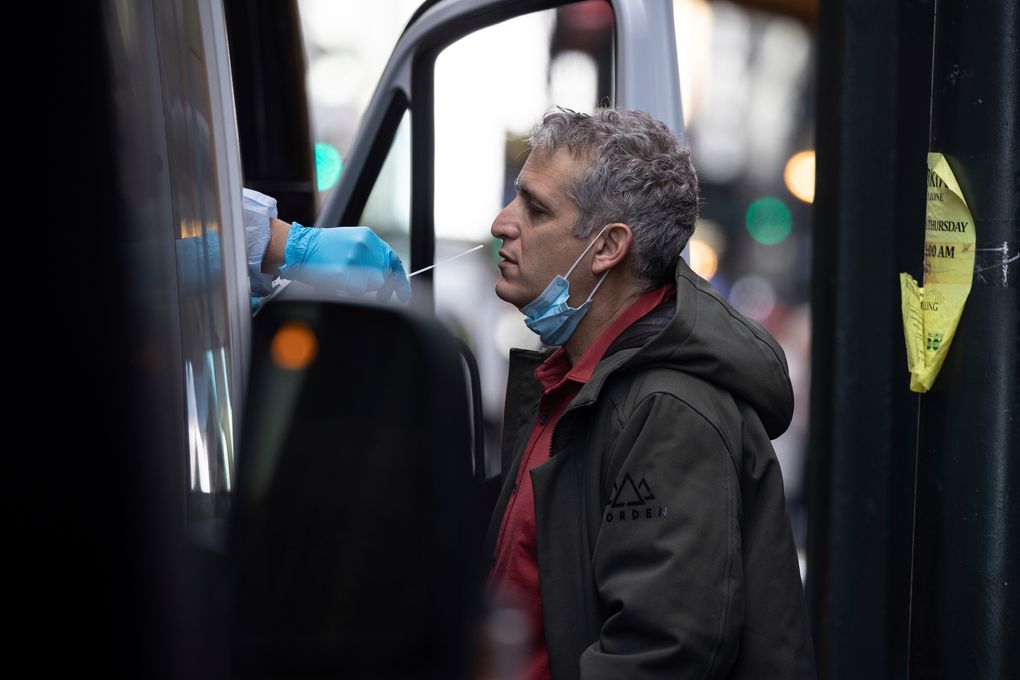
A person takes COVID-19 test at mobile testing site near Grand Central Terminal on Friday, Dec. 3, 2021, in New York. The omicron variant of COVID-19, which had been undetected in the U.S. before the middle of this week, had been discovered in at least five states by the end of Thursday, showing yet again how mutations of the virus can circumnavigate the globe with speed and ease.(AP Photo/Yuki Iwamura)


New York announced three more cases of the omicron variant of the coronavirus Saturday, bringing the number of state cases linked to the new variant to eight. 

“The omicron variant is here, and as anticipated we are seeing the beginning of community spread,” state Health Commissioner Mary Bassett said in a news release.

The number of states finding the variant is growing as well, with authorities in New Jersey, Georgia, Pennsylvania and Maryland reporting their first confirmed cases Friday, and Missouri reporting its first presumed case.

Read the story here.

—Carolyn Thompson, The Associated Press


Anti-lockdown protesters march through Dutch city of Utrecht

UTRECHT, Netherlands — Thousands of people marched peacefully through the Dutch city of Utrecht on Saturday to protest the government’s coronavirus lockdown measures.

Holding balloons, umbrellas and banners, including ones that said: “It’s not right,” protesters watched by a large police presence moved from a park into the city center without incident. 

Siebke Koopman said he was demonstrating against more than just the Dutch government’s COVID-19 restrictions.

Read the story here.

—Aleksandar Furtula, The Associated Press


Chile reports first case of omicron variant of coronavirus

SANTIAGO, Chile — Chile on Saturday reported its first case of the omicron variant of the coronavirus.

A foreign national residing in Chile returned from Ghana on Nov. 25 and tested positive in a PCR test at the Santiago airport, according to authorities.

Read the story here.

—The Associated Press


US drugstores squeezed by vaccine demand, staff shortages

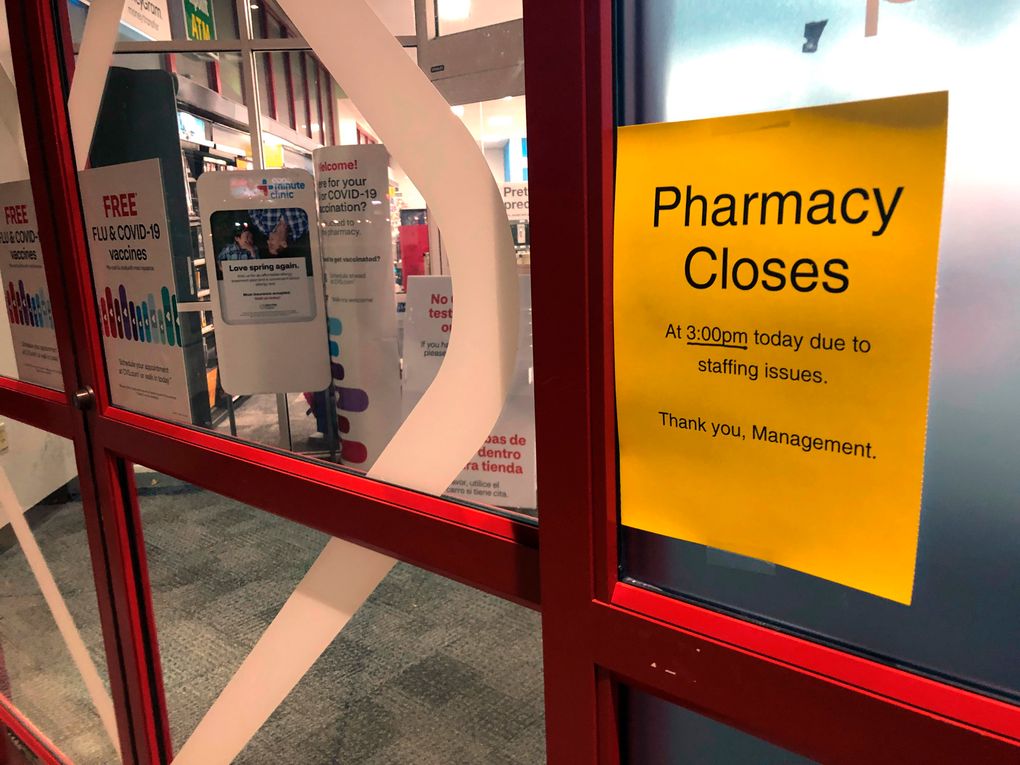
A sign is posted outside a CVS pharmacy Thursday in Indianapolis. A rush of vaccine-seeking customers and staff shortages are squeezing drugstores around the country. That has led to frazzled workers and even temporary pharmacy closures. (AP Photo/Tom Murphy)


A rush of vaccine-seeking customers and staff shortages are squeezing drugstores around the U.S., leading to frazzled workers and temporary pharmacy closures.

Drugstores are normally busy this time of year with flu shots and other vaccines, but now pharmacists are doling out a growing number of COVID-19 shots and giving coronavirus tests.

The push for shots is expected to grow more intense as President Joe Biden urges vaccinated Americans to get booster shots to combat the emerging omicron variant. 

Read the story here.

—Tom Murphy, The Associated Press


Resurgence in business travel expected as companies tire of Zoom, but omicron variant complicates outlook

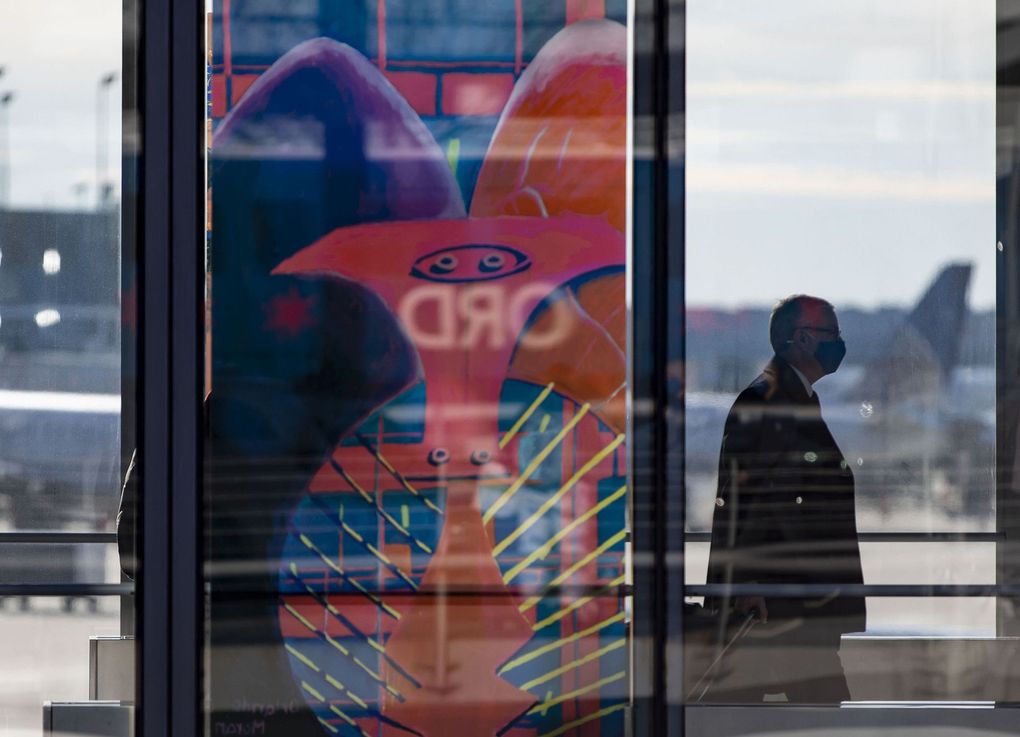
Travelers walk between terminals at O’Hare International Airport on Nov. 28, 2021, after the Thanksgiving weekend. (Brian Cassella/Chicago Tribune/TNS) (Brian Cassella / TNS)


Many road warriors’ suitcases and passports have been gathering dust since the COVID-19 pandemic brought business travel to a halt.

That’s not the case at Chicago-based Devbridge, which hosted an all-hands event in Lithuania earlier this year and brought teams from Toronto, London and Lithuania to its Chicago office last month to workshop new products with clients.

Read the story here.

—Lauren Zumbach, Chicago Tribune


Police get complaints over U.K. leader’s festive parties

LONDON — Britain’s opposition Labour Party has raised complaints to police about Christmas parties held by Prime Minister Boris Johnson’s staff in his office last year in breach of coronavirus restrictions. 

The reports surfaced as many in the U.K. and elsewhere are increasingly concerned about festive parties and socializing over Christmas this year amid the spread of the new omicron variant.

Read the story here.

—The Associated Press


COVID kills a leading anti-vaccine televangelist; evangelicals don’t want to talk about it

When famed televangelist Marcus Lamb died this week at 64 after contracting COVID-19, a who’s who of conservative Christian leaders sent out regrets. Evangelist Franklin Graham said Lamb is now “experiencing heaven.” National Hispanic Christian Leadership Conference head Samuel Rodriguez called him a “faithful follower of Jesus … with a heart for the lost and broken.”

Absent was a painful truth: Lamb had led his global Christian network, Daystar, for months in spreading inaccurate information about coronavirus vaccines and instead promoting treatments that are not proven remedies. The vaccines, a May segment on Daystar said, falsely, are “killing your immune system.”

Read the story here.

— Michelle Boorstein, The Washington Post


Cognitive rehab: One patient’s painstaking path through long COVID-19 therapy

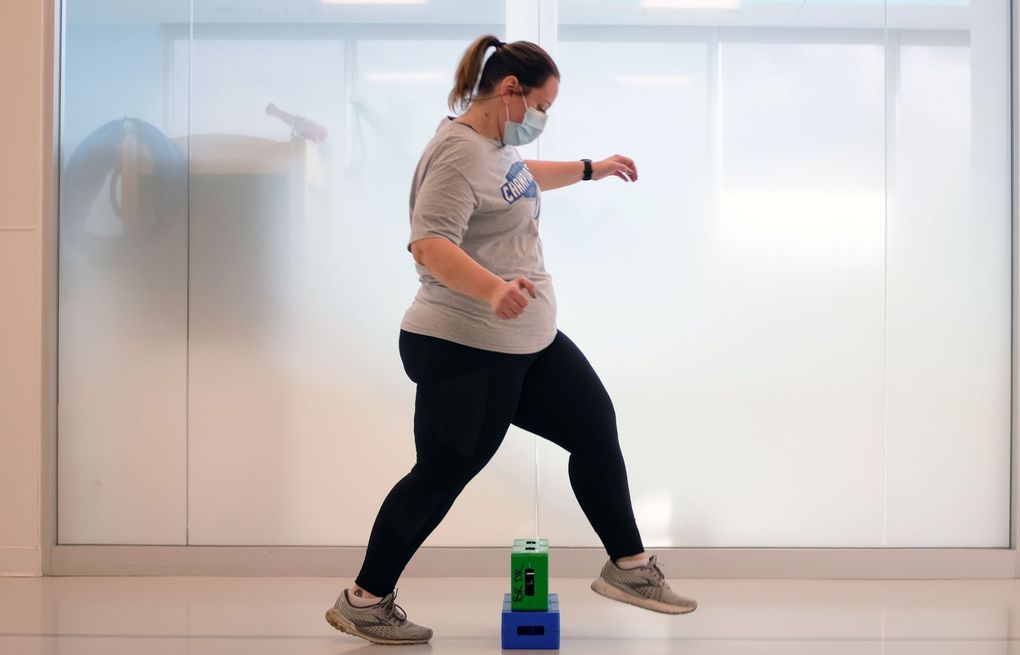
Samantha Lewis works to improve her balance during a therapy session at the Shirley Ryan AbilityLab in Burr Ridge, Ill., Oct. 8, 2021. Lewis is relearning some basic aspects of her daily life after struggling with brain fog and other lingering symptoms for more than a year since being infected with COVID-19. (Alex Wroblewski/The New York Times) XNYT101 XNYT101


AURORA, Ill. — There is sobering evidence of Samantha Lewis’ struggle with long COVID-19 on her bathroom mirror.

Above the sink, she has posted an index card scrawled with nine steps reminding her how to brush her teeth. It is one of many strategies Lewis, 34, has learned from “cognitive rehab,” an intensive therapy program for COVID-19 survivors whose lives have been upended by problems like brain fog, memory lapses, dizziness and debilitating fatigue.

Read the story here.

—Pam Belluck, The New York Times


Merkel: Virus death toll ‘so bitter because it is avoidable’

German Chancellor Angela Merkel waves goodbye at the Defence Ministry during the Grand Tattoo (Grosser Zapfenstreich), a ceremonial send-off for her in Berlin on December 2, 2021. (Odd Andersen/Pool Photo via AP)


BERLIN — Outgoing Chancellor Angela Merkel on Saturday made what is likely her final appeal before leaving office next week for Germans to get vaccinated against COVID-19.

Merkel gave what is expected to be her last weekly video message two days after federal and state leaders decided on a series of measures meant to break a wave of coronavirus infections. 

The measures include excluding unvaccinated people across the country from nonessential stores, restaurants and sports and cultural venues. In a longer-term move, parliament will consider a general vaccine mandate.

Read the story here.

—The Associated Press


FDA authorizes Eli Lilly antibody treatment for high-risk young children

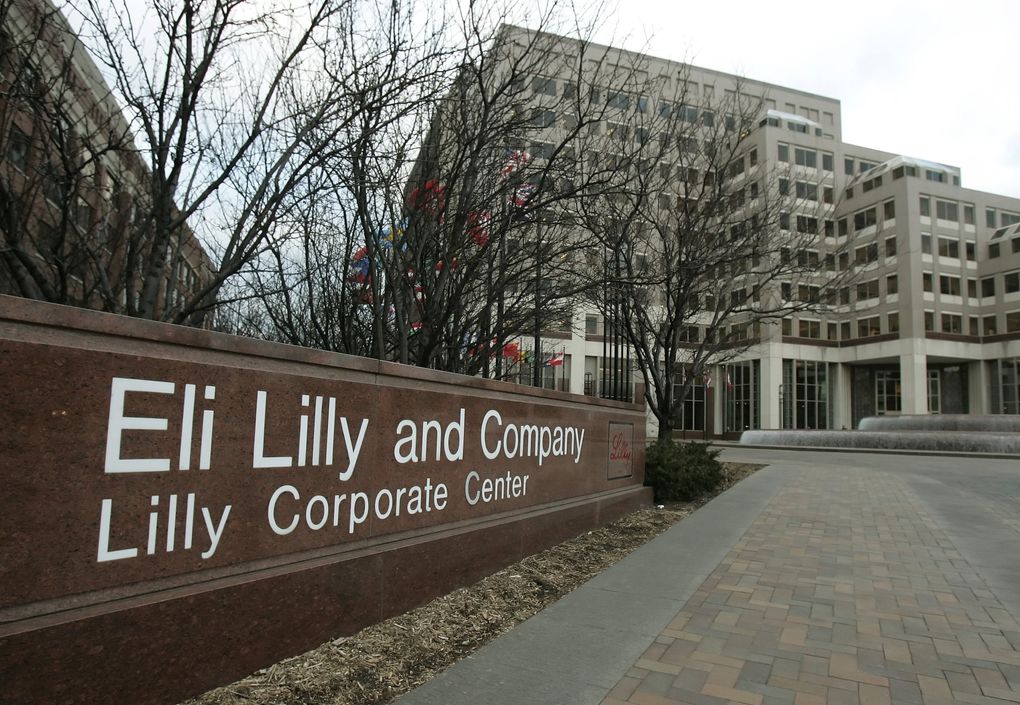
The Eli Lilly headquarters  in Indianapolis in 2006. (AP Photo/Darron Cummings, File)


The Food and Drug Administration on Friday authorized Eli Lilly’s monoclonal antibody treatment for infants and children under age 12 with COVID-19 who are at high risk of becoming severely ill from the virus because they have a condition such as obesity or diabetes.

Previously, high-risk COVID patients 12 or older had been eligible to get the drugs, which are typically administered intravenously at a clinic or hospital and have been shown to lower the risk of hospitalization and death.

Read the story here.

—Rebecca Robbins, The New York Times


Over 129K WA kids ages 5–11 receive first COVID vaccine dose

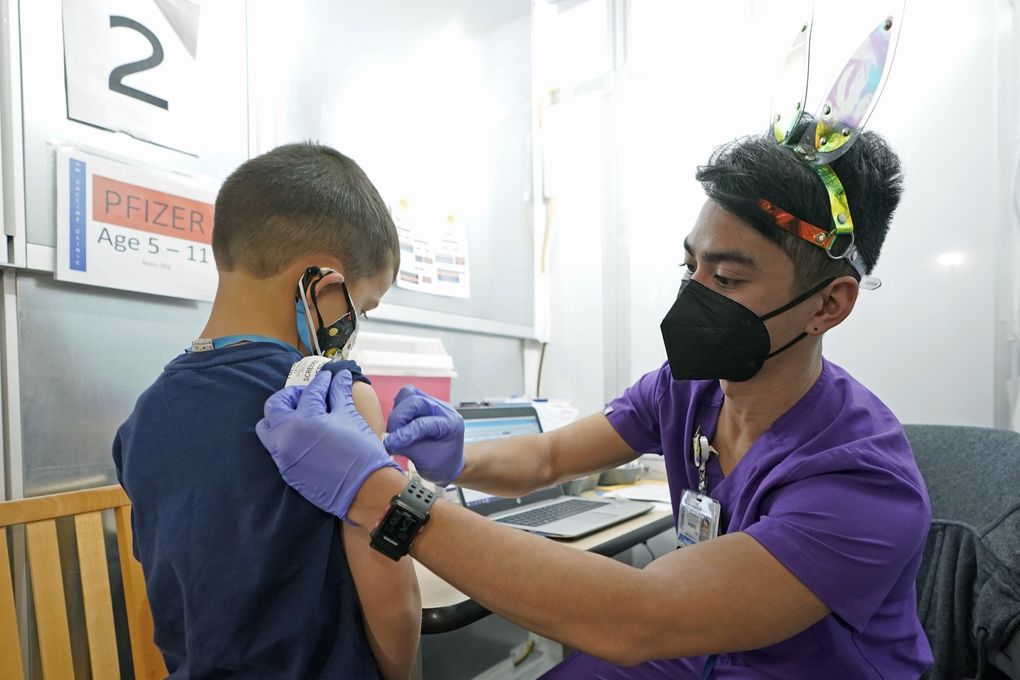
Andre Mattus, a nurse at the University of Washington Medical Center, gives the first shot of the Pfizer COVID-19 vaccine to Amar Gunderson, 6 1/2, last month, in Seattle. (Ted S. Warren / AP)


OLYMPIA — More than 129,000 children ages 5 through 11 in Washington state have received their first dose of the Pfizer-BioNTech pediatric vaccine since eligibility expanded to include younger kids on Nov. 3, health officials said this week. 

“While COVID-19 is often milder in children than adults, children can still get very sick and spread the disease to family and friends, which is an even bigger concern as people gather this holiday season,” Secretary of Health Dr. Umair A. Shah said Thursday. “As a father, knowing our children are vaccinated helps me breathe a sigh of relief.”

Read the story here.

—The Associated Press


UW men’s basketball game vs. No. 5 UCLA canceled due to COVID-19

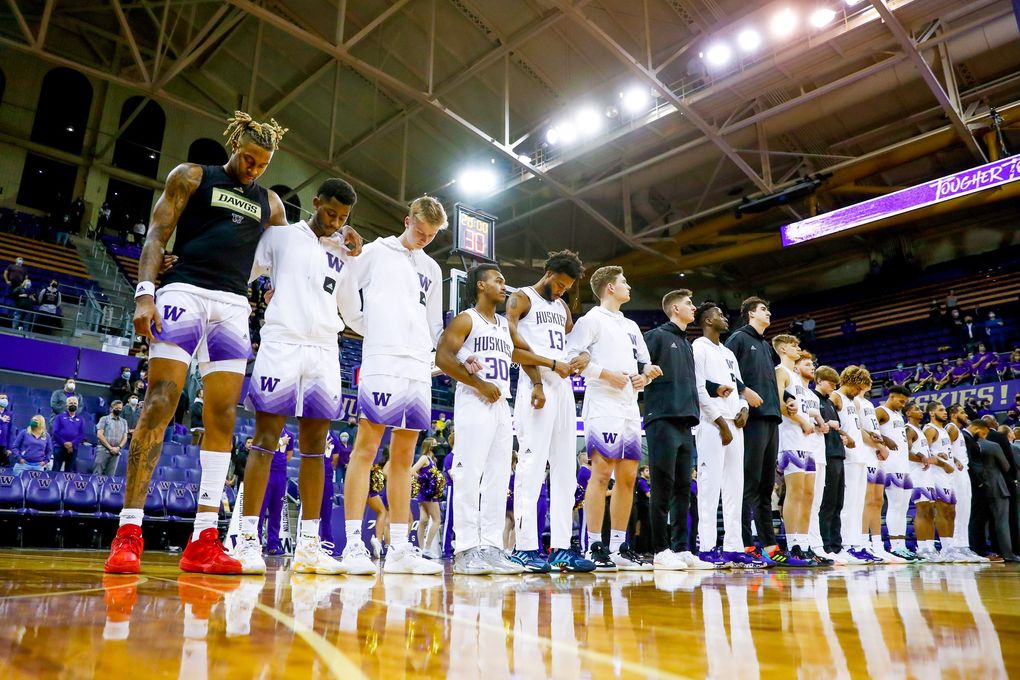
The Washington Huskies line up for the playing of the national anthem before, Nov. 9, 2021, in Seattle. (Jennifer Buchanan / The Seattle Times)


The Washington men’s basketball team will suffer its first Pac-12 defeat due to COVID-19 developments within the program.

The Huskies are unable to host No. 5-ranked UCLA on Sunday at Alaska Airlines Arena and will forfeit the game in accordance to Pac-12 guidelines.

Washington has seven players and coaches in COVID-19 protocols, according to a Los Angeles Times report that cited an anonymous source.

Read the story here.

—Percy Allen


So far, Washington workers pushed out over vaccine mandates aren’t losing jobless benefits

Boeing workers protest against the jet-maker’s vaccine requirement in Everett in October. (Dominic Gates / The Seattle Times)


In August, when Gov. Jay Inslee ordered state employees, health care workers and others to get vaccinated against COVID-19 by Oct. 18, officials issued a stern warning: If you quit or get fired for refusing a jab, don’t expect unemployment benefits. 

But nearly two months after the vaccination deadline, it’s unclear just how much vaccine-hesitant workers have to worry about. 

Although thousands of workers in Washington likely have quit or been fired over government and private vaccine mandates — including nearly 2,000 state employees as of Nov. 15, according to state data — just 26 mandate-related claims for jobless benefits had been flagged for review by the state Employment Security Department as of Friday. Although the review process isn’t complete, ESD officials don’t believe that any of those claims have been denied.

Read the story here.

—Paul Roberts

Could common cold viruses protect against COVID-19?

Share on Pinterest
Commuters at London King’s Cross railway station on Monday, July 19, 2021. Jason Alden/Bloomberg via Getty Images
  • Other strains of human coronaviruses, such as those that cause the common cold, circulated through the human population before the emergence of SARS-CoV-2, which is responsible for COVID-19.
  • Understanding the immune response to coronaviruses that existed before the pandemic and the current SARS-CoV-2 virus may be a gateway to better understanding protective immunity to COVID-19.
  • A recent study asks whether exposure to pre-pandemic coronaviruses might protect against COVID-19.

Scientists at the University of Zurich (UZH) in Switzerland recently performed an analysis demonstrating a higher level of immunity against COVID-19 in people who had been exposed to coronaviruses circulating before the pandemic.

Prof. Alexandra Trkola, lead researcher and head of the Institute of Medical Virology at UZH, and her colleagues reported their findings in Nature Communications.

The study monitored antibody response to SARS-CoV-2 to uncover correlations with vaccine protection, disease severity, and susceptibility to infection.

The researchers also compared immune responses against SARS-CoV-2 with those against pre-pandemic coronaviruses, known as HCoVs. The four types of HCoVs that cause the common cold collectively account for around 10–15{cfdf3f5372635aeb15fd3e2aecc7cb5d7150695e02bd72e0a44f1581164ad809} of adult infections and 2–6{cfdf3f5372635aeb15fd3e2aecc7cb5d7150695e02bd72e0a44f1581164ad809} of all hospital admissions for lower respiratory tract infections.

“Our study shows that a strong antibody response to human coronaviruses increases the level of antibodies against SARS-CoV-2. So someone who has gained immunity to harmless coronaviruses is therefore also better protected against severe SARS-CoV-2 infections,” says Prof. Trkola.

When an immune response against one coronavirus creates immune protection against a different virus, health experts call it cross-reactivity.

The researchers analyzed serum samples from 825 participants taken before the pandemic, and assessed their immune responses to four of these HCoVs.

They also analyzed 389 serum samples from individuals who tested positive for SARS-CoV-2.

The scientists found that the people who contracted SARS-CoV-2 had lower levels of antibodies against HCoVs than the individuals who did not contract SARS-CoV-2.

Also, the people with higher levels of antibodies against HCoVs who did contract SARS-CoV-2 were less likely to need hospital treatment.

Rachel Roper, Ph.D., a professor of microbiology and immunology at East Carolina University in Greenville, NC, told Medical News Today:

“I suspected that preexisting immunity to other human coronaviruses that cause colds would affect responses to SARS-CoV-2, but we didn’t have the data until now. These researchers show convincing evidence that preexisting immunity to other human coronaviruses gives some protection against infection with SARS-CoV-2, as well as [the] development of severe disease.”

“These data partly explain why some individuals have very mild or asymptomatic infections, while others develop severe disease,” she continued.

Dr. Roper went on to say, “In addition, the data show that having an immune response to other coronaviruses helps increase the immune response to COVID-19 vaccines.”

Beyond the antibody response, she explained how “these data also suggest that T lymphocytes may respond similarly and provide some level [of] cross-protection.”

“Of course, immune responses targeting SARS-CoV-2 that are mounted by the memory cells are far more effective than cross-reactive responses. But even though the protection isn’t absolute, cross-reactive immune responses shorten the infection and reduce its severity. And this is exactly what is also achieved through vaccination, just much, much more efficiently,” says Dr. Trkola.

B lymphocytes — a type of white blood cell — produce antibodies. They form memory cells that remember the pathogen for faster antibody production in future infections.

People’s immunity to SARS-CoV-2 is most robust soon after recovering from an infection or receiving a vaccination. This immunity occurs when antibody levels against the virus are still high. As these levels begin to drop, protection against the virus diminishes.

At this point, the process known as immunological memory can quickly reactivate the body’s production of antibodies and T cells and confer renewed immunity against the circulating viruses.

Dr. Roper went on to say, “These data give us a reason to be grateful for catching the colds caused by the other human coronaviruses!”

Whether the cross-reactivity of antibodies on antigens revealed in this study works in the opposite direction is still unknown. Does immunity to the SARS-CoV-2 virus also confer immunity against weaker forms of the coronavirus?

MNT spoke with Dr. David Smith, MAS, FACP, from University of California San Diego Health in La Jolla, who discussed the study’s clinical implications. He stated, “It’s hard to directly interpret these data through a clinical lens. The study does suggest that more related coronavirus immunity helps with SARS-CoV-2 immunity.”

“This gives me hope that COVID-19 vaccines should continue to help protect [against] variants that continue to develop, but, of course, clinical studies will need to assess such speculation and hope.”

COVID-19 survivors have higher risk of death 12 months after infection

doctor looking through patient recordsShare on Pinterest
New research examines the effects of severe COVID-19 a year after the infection. Heath Korvola/Getty Images
  • The negative impact of COVID-19 on patients’ health has been recognized but not yet clearly quantified.
  • Previous research has looked at the effects of the disease at 6 months, and scientists have now explored the impact on overall health at 12 months.
  • The relative increase in the risk of death after COVID-19 is higher for under 65s than over 65s.

The total number of recorded COVID-19 deaths has passed 5 million globally, with over 750,000 deaths in the United States alone. However, these figures are unlikely to reveal the true impact of COVID-19 on the population.

Scientists have now shown an increased risk of death among COVID-19 survivors 12 months after the infection.

For people younger than 65 who were hospitalized with COVID-19, the risk of death in the 12 months after the infection was 233{cfdf3f5372635aeb15fd3e2aecc7cb5d7150695e02bd72e0a44f1581164ad809} higher than it was for people who did not have the disease, results published in the journal Frontiers in Medicine have shown.

Nearly 80{cfdf3f5372635aeb15fd3e2aecc7cb5d7150695e02bd72e0a44f1581164ad809} of all deaths of people in the study who had recovered from COVID-19 in the past 12 months were not due to cardiovascular or respiratory causes, suggesting that the impact of the virus is significant and wide-ranging, even after the initial infection has been fought off.

Prof. Arch Mainous, an author of the paper, told Medical News Today in an email: “A lot of interest in the scientific community has focused on what happens to patients after having an episode with COVID-19. Some people are focusing on ‘long COVID’ or persistent symptoms like brain fog or lack of smell. We were interested in the hard outcome of death after COVID-19 recovery.”

“We thought that the impact of COVID-19 would be significant enough to engender complications. The overall trauma or psychological insult to the body would be dramatic enough to create lasting damage.”

To measure the impact of COVID-19 on long-term health, researchers from the University of Florida looked at electronic healthcare records from patients tested for COVID-19 in any setting in the University of Florida health system, both in Gainesville and Jacksonville. People who died within 30 days of their COVID-19 tests were excluded from the analysis.

Out of 13,638 people tested for COVID-19 between January 1 and June 30, 2020, 424 people were found to have COVID-19. Of this number, 178 people were classified as having severe disease. The rest were negative for SARS-CoV-2, the virus that causes COVID-19, as determined by polymerase chain reaction (PCR) testing.

The researchers then evaluated the electronic healthcare records of these people, following them for 365 days after the first PCR test. They found that 2,686 people in the cohort had died.

The team then analyzed the healthcare records to determine cause of death and compared the risk of death for people who had had COVID-19 with that of people who had not tested positive for SARS-CoV-2.

They found that the vast majority of deaths among people who had had COVID-19, nearly 4 out of 5 of these deaths, were not due to cardiovascular or respiratory illness, despite much existing research into the impact of COVID-19 on these systems.

Prof. Mainous said, “Treatment in the hospital is [fine for surviving] the initial episode, but our strategy should focus on keeping people out of the hospital in the first place.”

“Taking your chances that you might get COVID-19 but that it will be mild, or that you will just rely on treatments to pull you through a severe episode is a course of action with big risks.”

These figures demonstrate that the impact of COVID-19 could last longer than we had originally anticipated. However, they do not tell us why.

Prof. Mainous continued, “Although there are a variety of theories floating around about why there are post-acute complications from COVID-19, and more work needs to be done to establish definitively the mechanism, it seems likely that the intense level of inflammation in the body affects multiple parts of the body.”

Children were not included in this study, but Sammie Mcfarland, founder and CEO of Long Covid Kids, told MNT in an interview that the study shed some light on a topic that should get more attention — and that we still do not understand the long-term impact of COVID-19 on children.

In the United Kingdom, she said, “We don’t know if the children coming out of hospital go on to recover, go on to die, or go on to get long COVID, we just don’t know.”

She also pointed out that while cases of pediatric multisystem inflammatory syndrome, a rare complication that can occur in children with COVID-19, have been recorded, we do not know what has happened to many of these kids.

Mcfarland told us: “Those children are living now with some severe impairment, and some of them have died. And those children aren’t recorded as COVID deaths. And they’re not recorded in the COVID data. But it’s still from COVID.”

For live updates on the latest developments regarding the novel coronavirus and COVID-19, click here.

US Covid-19: Omicron variant is a reminder that coronavirus ‘is still in control,’ medical professor says

“But it’s fairly likely we’ll see cases,” said Dr. Francis Collins, director of the National Institutes of Health.

“It ought to redouble our efforts to use the tools that we have, which are vaccinations and boosters — and to be sure we’re getting those to the rest of the world, too,” Collins told CNN on Sunday.

“It also means we need to pay attention to those mitigation strategies that people are just really sick of, like wearing masks when you’re indoors with other people who might not be vaccinated, and keeping that social distance,” he said.

“I know, America — you’re really tired of hearing those things. But the virus is not tired of us. And it’s shapeshifting itself.”

Why Omicron ‘looks different’ from other variants

As coronavirus keeps spreading, new mutations — and new variants — are expected.

“We have seen a lot of variants pop up over the last five, six months, and most of them have not amounted to much. This looks different,” said Dr. Ashish Jha, dean of the Brown University School of Public Health.

Vaccine inequity and hesitancy made the Omicron variant more likely, scientists say
The Omicron variant has an unusually high number of mutations, with more than 30 mutations in the spike protein alone, South African genomic scientists said last week.
Spike proteins are the structures used by a virus to get into the cells it attacks.

And “10 or more” of the mutations are on the receptor binding domain, which “binds to the cells in your nasal pharynx and in your lung,” Dr. Anthony Fauci told NBC on Sunday.

“In other words, the profile of the mutations strongly suggest that it’s going to have an advantage in transmissibility,” the director of the National Institute of Allergy and Infectious Diseases said.

When experts looked at other variants, Jha said, it usually took several months for those strains to be dominant — in other words, the most common strain of the virus spreading in one area.

“This one has become dominant very quickly in South Africa in the regions where it’s been found — within a matter of days to weeks, as opposed to months,” Jha said.

“Now, the number of cases in South Africa is quite low, so it can be for other reasons as well — not just because it’s more transmissible. But the speed with which it has taken off is really unlike anything we’ve seen before.”

The new Omicron variant is a pandemic gut check

Collins said it’s not yet clear whether the Omicron variant is more contagious than the Delta variant.

“It certainly shows the signs of being able to spread quickly,” he said. “What we don’t know is whether it can compete with Delta.”

It’s also too early to tell whether the Omicron variant causes more severe illness, Collins said.

In short: “There’s still much we do not know about Omicron,” epidemiologist and infectious disease expert Dr. Celine Gounder said.

“We’re still learning,” Gounder said Sunday. “As we were saying very early in the pandemic, pandemics are not about panicking. They’re about policies, protocols and practice. And in this case, that means doing the work of characterizing the virus.”

Don’t be surprised by renewed Covid-19 restrictions, expert says

A growing number of countries have confirmed cases of the Omicron variant. Canada joined that list Sunday, when health officials confirmed two cases in Ottawa, Ontario.
The Omicron variant is spreading across Europe
Both people had recently traveled from Nigeria and are isolating, Canadian health officials said.

If the Omicron variant isn’t already in the US, it’s bound to be “soon,” said Dr. William Schaffner, a professor at Vanderbilt University Medical Center.

“It’s going to make its way around the world. It looks like that way,” Schaffner said Saturday.

And that could prompt a return to stricter Covid-19 mitigation efforts.

“I think we may, indeed, be in for a phase of many more masks, much more social distancing, and more restrictions and obligations for vaccination going forward,” Schaffner said.

News of the variant spread as Americans packed airports at almost pre-pandemic levels for Thanksgiving and at the start of the holiday season: The Transportation Security Administration said it screened about 2.3 million people at airports across the country Wednesday, making it the busiest day at security checkpoints since March 2020.

More reason to get vaccinated or boosted

About 59{cfdf3f5372635aeb15fd3e2aecc7cb5d7150695e02bd72e0a44f1581164ad809} of Americans are fully vaccinated against Covid-19, and about 19{cfdf3f5372635aeb15fd3e2aecc7cb5d7150695e02bd72e0a44f1581164ad809} of those fully vaccinated have received a booster dose, according to CDC data.
NIH director: New variant 'ought to redouble' vaccination and mitigation efforts

While vaccine makers test their shots against the new Omicron variant, health experts said it’s important for anyone eligible to get a Covid-19 vaccine or booster to do so now.

“The main things people can do to protect themselves right now is if you’re not vaccinated, get vaccinated,” Gounder said. “If this does turn out to be an immune-evading variant, there may also well be benefit in getting an extra dose or booster dose of vaccine.”

Fauci offered similar advice: “If ever there was a reason for the people who were vaccinated to get boosted, and for those who were unvaccinated to get vaccinated, it’s now,” he told NBC.

“If you’re six months or more from the second dose of an mRNA (vaccine) — either the Pfizer or the Moderna — get boosted. If you’re two months or more following the single dose of J&J, get boosted.”

Fauci said he believes the current vaccines — and especially booster doses — will help at least somewhat against the Omicron variant.

“When you get boosted, the level of your antibody goes way, way above what the level at its peak was after the second dose,” Fauci told NBC.

“And that’s the reason why we feel even with variants like Omicron that if you get boosted, you’re going to get a level of antibody that’s high enough that it is likely you’ll be able to get at least some degree — and maybe a lot — of protection against this.”

Moderna said it’s testing the ability of its Covid-19 vaccine to neutralize Omicron, and data is expected in the coming weeks.

The company said it’s also testing a larger-dose booster and an Omicron-specific booster in case the current vaccine and booster don’t sufficiently work against the new variant.

If scientists determine an Omicron-specific vaccine dose is needed, “we think within weeks to maybe two to three months, we would be able to have a Omicron-specific vaccine booster available for testing,” Moderna Chief Medical Officer Dr. Paul Burton said Sunday.

BioNTech, the German company that partnered with Pfizer to make a Covid-19 vaccine, is also investigating Omicron’s impact on their vaccine, with data expected in the coming weeks.

Johnson & Johnson said it’s also testing the effectiveness of its vaccine against Omicron.

Moderna said the Omicron variant could be a challenge.

“The combination of mutations represents a significant potential risk to accelerate the waning of natural and vaccine-induced immunity,” the company said Friday.

But Jha said he doesn’t think the new variant means “vaccines will be rendered useless.”

“I think that’s exceedingly unlikely,” he said. “The question is, is there a tiny hit to vaccine efficacy, or is there a large hit?”

‘A couple of weeks of uncertainty’

The world is in a 'race against time' with the Omicron variant, European Commission president says

Before scientists can say how much the current vaccines might work against Omicron, “we have to go through a couple of weeks yet of uncertainty,” Burton said.

“There are three questions we really need answers to: How transmissible is this variant? How severe is it? And will the antibodies produced in response to the current vaccines (be) effective? And we won’t know that (answer to the) last question for a couple of weeks,” Burton told CNN on Sunday.

“But what we do know is that the best protection is to get vaccinated. If you’re on the fence, if you haven’t been vaccinated, get vaccinated. And now everybody over 18 in this country is at least eligible for boosting. So if you’re now eligible for boosting, get boosted as well,” he said.

“By doing that, we at least know that you’ll get that first line of critical protection. And then of course, there are additional, simpler things you can do — hand washing, some social distancing, mask wearing as appropriate. These two together, right now — until we know exactly what’s going on — are going to be critical in our line of defense.”

‘The virus is still in control … tighten your seat belts’

With or without the Omicron strain, the US is still struggling with the Delta variant.

Covid-19 hospitalizations in 16 states increased by more than 50{cfdf3f5372635aeb15fd3e2aecc7cb5d7150695e02bd72e0a44f1581164ad809} in the past week compared to the previous week, according to the US Health and Human Services Department.

“I think we need to just get our mind set that the virus is still in control. I don’t care about your Covid fatigue,” Schaffner said.

“We’re going to have to deal with this in an ongoing way very, very seriously. … Tighten your seat belts.”

CNN’s Dakin Andone, John Bonifield, Jacqueline Howard, Virginia Langmaid, Michael Nedelman, Christina Maxouris and Kaitlan Collins contributed to this report.